Product Commercialization
& Launch Marketing
Bring Your Product to Market With Confidence
Find out what should start now, what can wait, and what your launch may not need.
Products Designed & Prototyped
Years Average Experience
Rated on BBB
In-House Design & Engineering
Products Designed & Prototyped
Years Average Experience
Rated on BBB
In-House Design & Engineering

Products Designed & Prototyped

Years Average Experience

Rated on BBB

PRODUCT-TO-MARKET DEVELOPMENT
A Great Product Does Not Create Its Own Market
Your prototype proves that the product can exist. Your go-to-market system helps the right people understand it, want it, and know how to buy it.
When positioning, branding, packaging, content, and sales systems are left until the end, the launch becomes rushed and fragmented. Decisions are made in isolation. Materials have to be redone. And the product can reach the market without a clear story or a reliable path to customers.
Rabbit helps connect the product and the market around one customer, one message, and one practical launch plan.
Define the Right Customer and Message
Align the Brand, Packaging, and Sales Story
Build Demand and a Path to Purchase

OUR PAST PRODUCTS
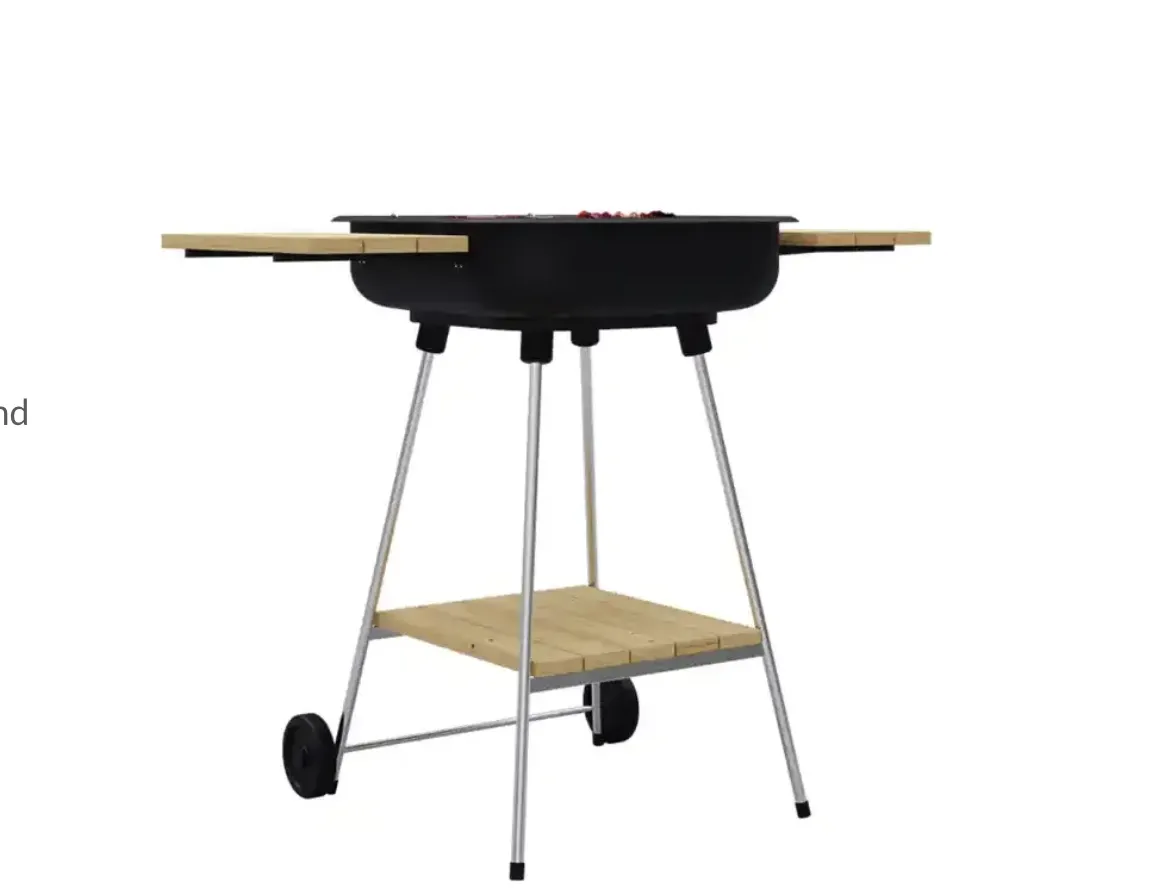
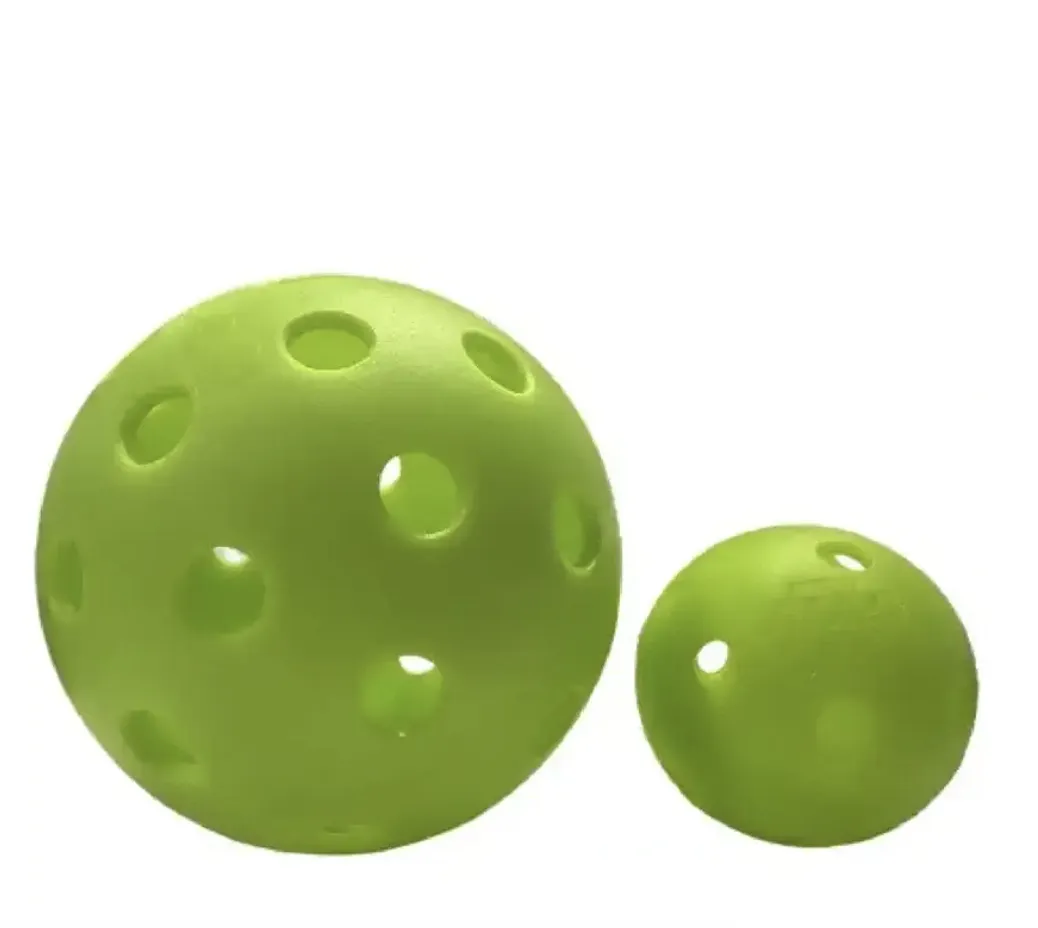
Products We've Taken From Sketch To Shelf


THE COMPLETE PRODUCT-TO-MARKET PATH
You Built the Product. Now Build the System That Helps It Sell.
Not every product needs every marketing service.
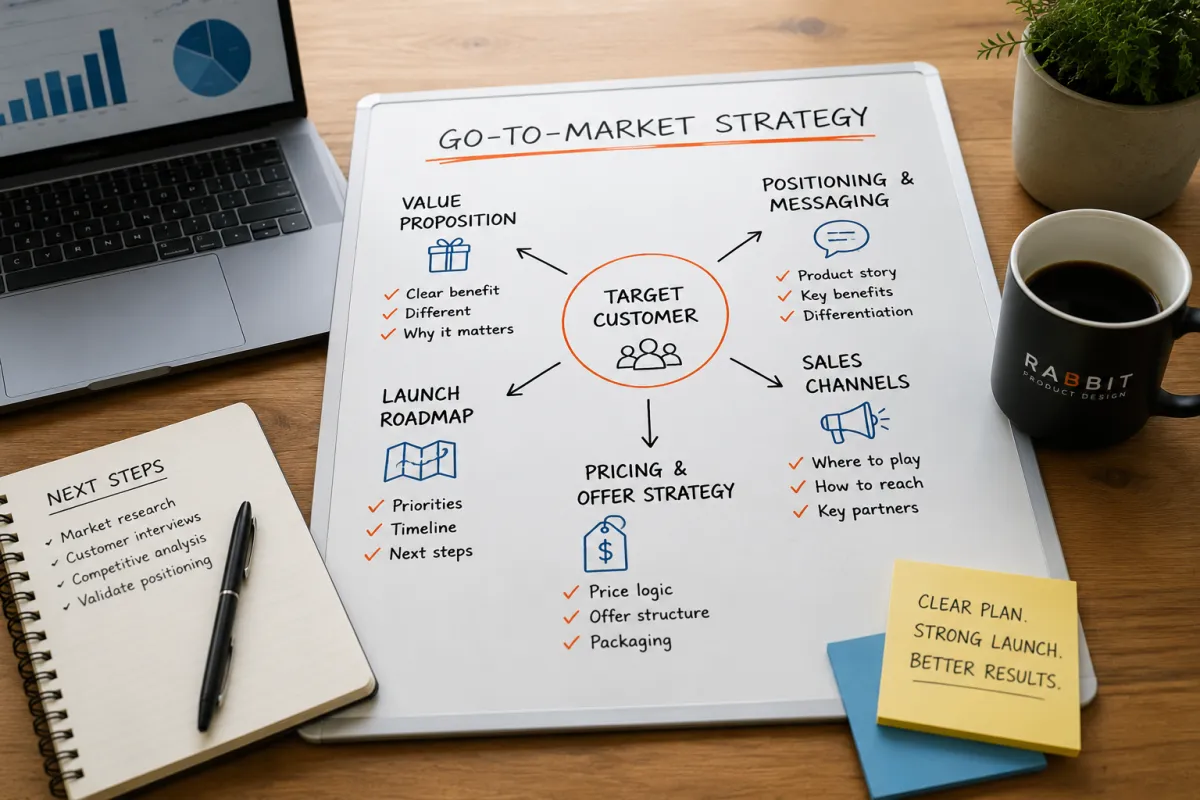
Go-To-Market Strategy
Before you invest in branding, packaging, or marketing, you need a clear commercial direction.
Define your ideal customer and the problem your product solves.
Clarify your positioning, key differentiators, and core message.
Identify the strongest sales channels and launch opportunities.
Shape pricing, customer objections, and launch priorities.
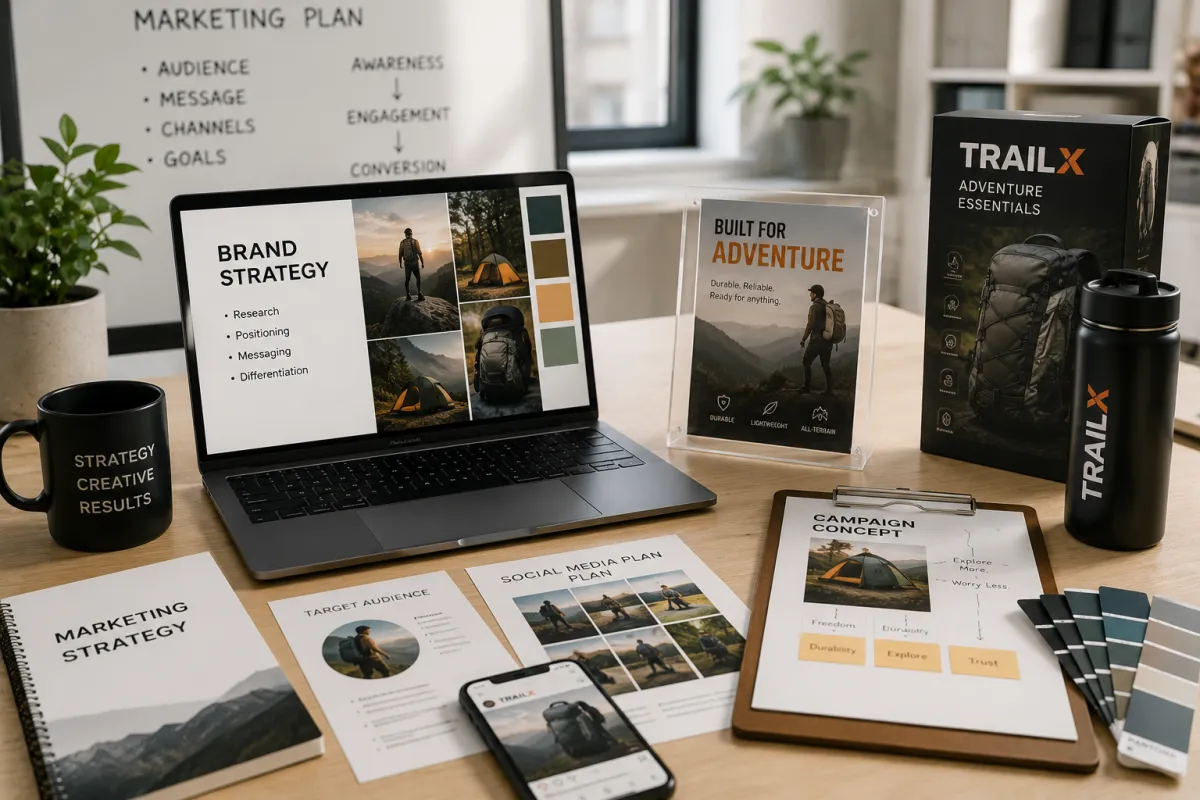
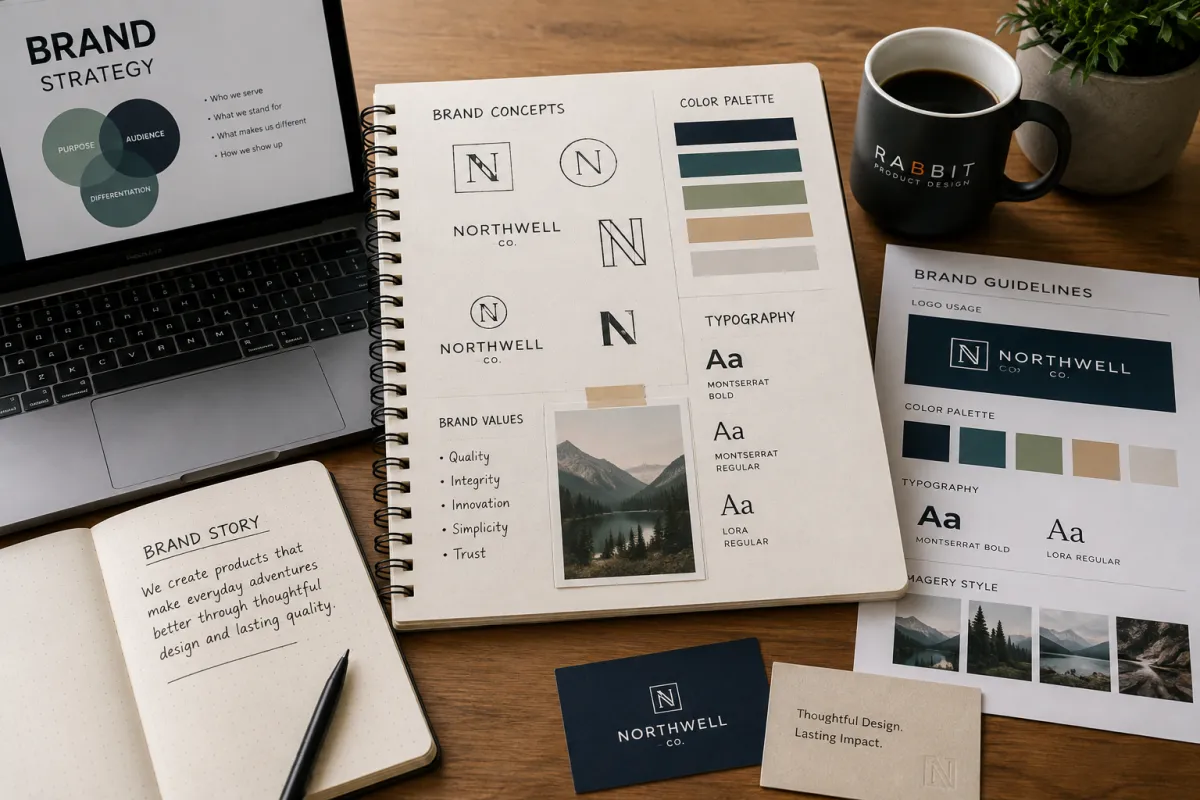
Branding Package
A strong brand helps your product feel credible, valuable, and worth choosing.
Develop naming, positioning, messaging, and tagline direction.
Create your logo, typography, color palette, and visual identity.
Build clear, consistent brand guidelines.
Create a foundation for packaging, websites, advertising, and sales materials.
Pre-Launch Services
Build awareness and interest before launch day so you are not starting from zero.
Create landing pages and email capture systems.
Set up social channels and consistent pre-launch content.
Develop preorder, referral, outreach, and email strategies.
Track engagement and optimize your launch approach.
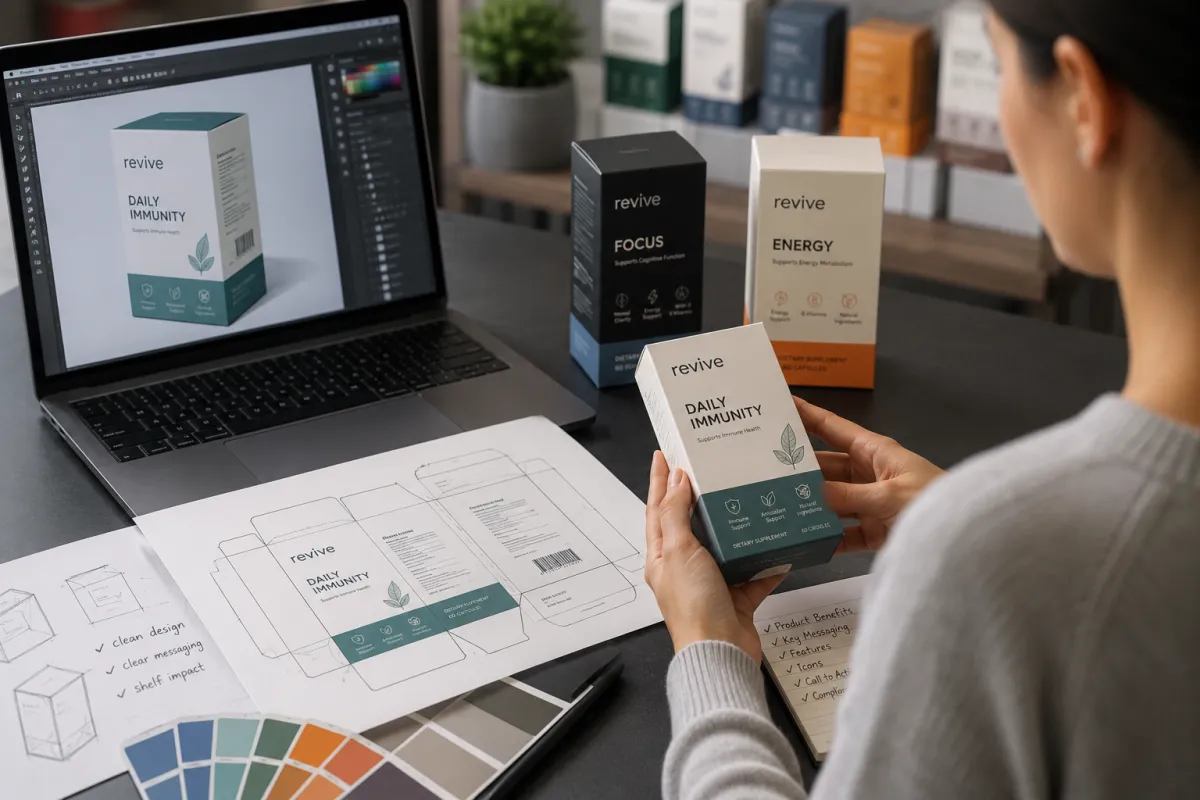
Retail Packaging
Your packaging has only seconds to attract attention, communicate value, and build confidence.
Create clear visual hierarchy and product messaging.
Highlight key benefits and differentiators.
Design for retail shelves, e-commerce, and intended sales channels.
Balance branding, protection, format, and perceived value.
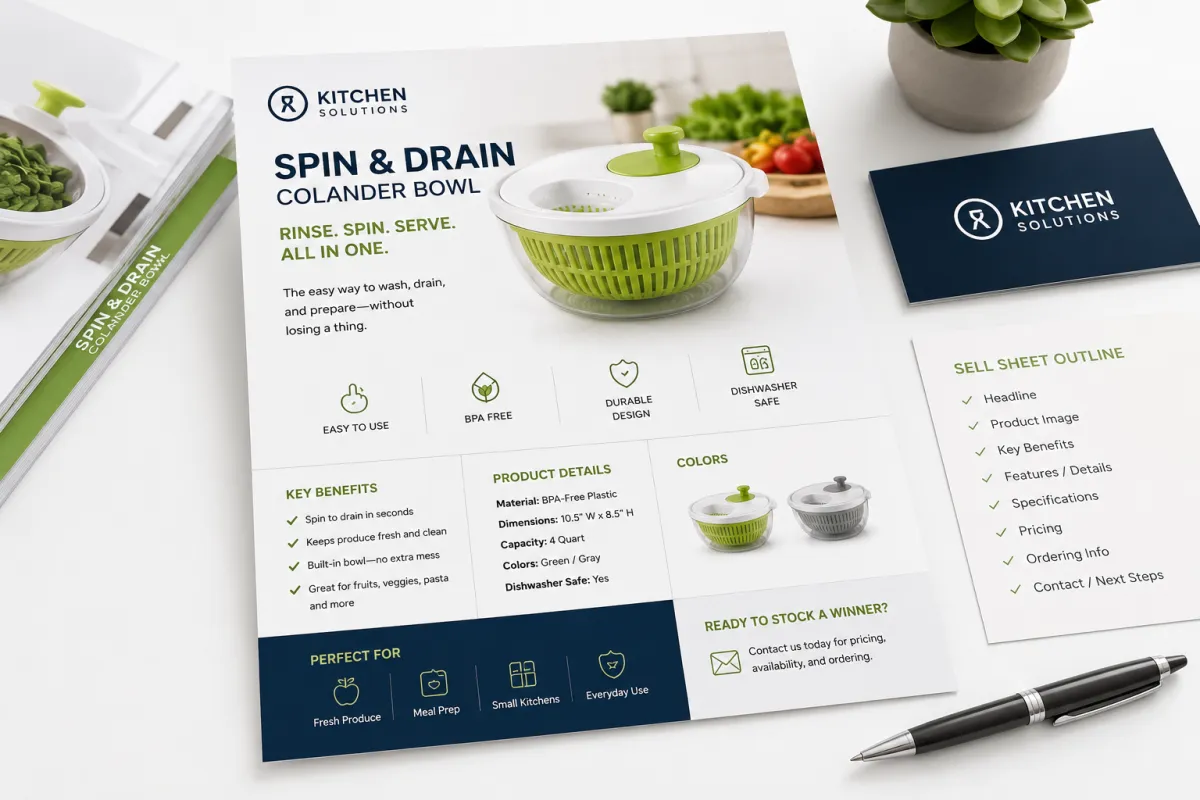
Retail Sell Sheet
A strong brand helps your product feel credible, valuable, and worth choosing.
Develop naming, positioning, messaging, and tagline direction.
Create your logo, typography, color palette, and visual identity.
Build clear, consistent brand guidelines.
Create a foundation for packaging, websites, advertising, and sales materials.
Post-Launch Sales System
Build awareness and interest before launch day so you are not starting from zero.
Create landing pages and email capture systems.
Set up social channels and consistent pre-launch content.
Develop preorder, referral, outreach, and email strategies.
Track engagement and optimize your launch approach.

FINDING THE RIGHT LAUNCH PATH
Are You Stuck Between “Product Ready” and “Ready to Sell”?
The product may be real, but the path to customers can still feel unclear. Closing these gaps before launch can reduce delays, conflicting decisions, and last-minute rework.
A Working Prototype, But No Clear Market Position
A Brand and Package That Do Not Explain the Value
A Launch Date, But No Audience or Sales System
You Know What The Product Should Do
This section will focus on what customers should look for when choosing a product or solution within this category. It can highlight important features, benefits, performance expectations, or other considerations that may influence their purchasing decision.
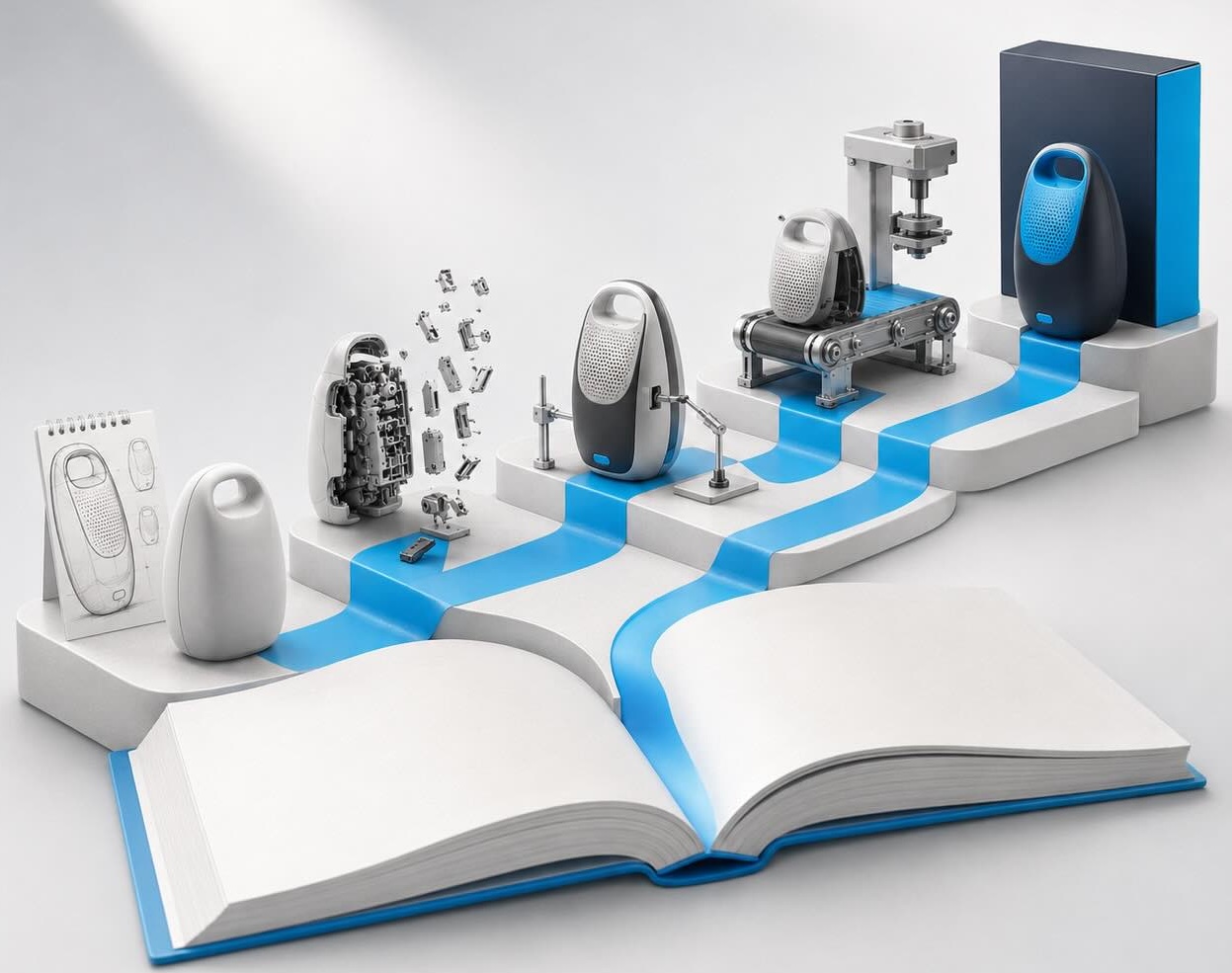
One Connected Development Path
This section will provide additional category-specific information that has not already been covered above. It can highlight what makes the company's approach, products, technology, materials, or process different from other options available in the market.
FREE "PAGE SPECIFIC" CONSULTATION
Get A Clearer Plan For Building "Category-Specific" Behind Your Product
This consultation is designed to help you understand what your product may need before you invest deeper into "page specific" mention.
Clarify "Category-Specific" Path
Review your product idea
Bullet point here
Bullet point here
Map the right next development step
Avoid unnecessary early spending
Understand what your product needs before you commit to the wrong prototype or board design.
"Category-Specific" Full Product
Bullet point here
User experience considerations
Assembly and manufacturing planning
Component and sourcing awareness
Prototype-to-production direction
Your electronics should support the full product — not create problems later when it is time to build, test, or manufacture.
What You Get
A confidential conversation with Rabbit’s product development team
A clearer understanding of your product’s electronics path
An overview of the biggest technical risks to solve first
Recommended next steps for breadboarding, schematic design, PCB layout, prototyping, or validation
Insight into how Rabbit can support design, engineering, prototyping, manufacturing, and launch
CUSTOM QUOTE
After Your Strategy Session
Every product is unique. Some ideas need concept development and industrial design, while others require engineering, prototyping, testing, or manufacturing support before they're ready for market.
After learning about your product, goals, and current stage of development, we'll recommend the right path forward and provide a custom proposal tailored to your project's needs.
More Than Product Design. A Complete Development Partner.
Rabbit helps you think through the full system behind your product — electronics, enclosure, user experience, prototyping, testing, manufacturing, sourcing, packaging, and launch strategy.
Instead of piecing together disconnected vendors one by one, you get one connected development path designed to move your product from idea to functional prototype to market with stronger technical alignment and fewer costly surprises.
Build The Strategy. Then Launch With Confidence.
Speak with a senior marketing expert to review your product, identify the strongest opportunities, and determine the smartest strategy for building awareness, generating demand, and supporting long-term sales growth.
FREE STRATEGY SESSION