Retail Packaging Design Services
Create Packaging That Sells Your Product
Trusted By 2,000+ Founders To Design Packaging That Stands Out At Retail.
RETAIL PACKAGING DESIGN
Packaging That Gets Attention And Builds Confidence
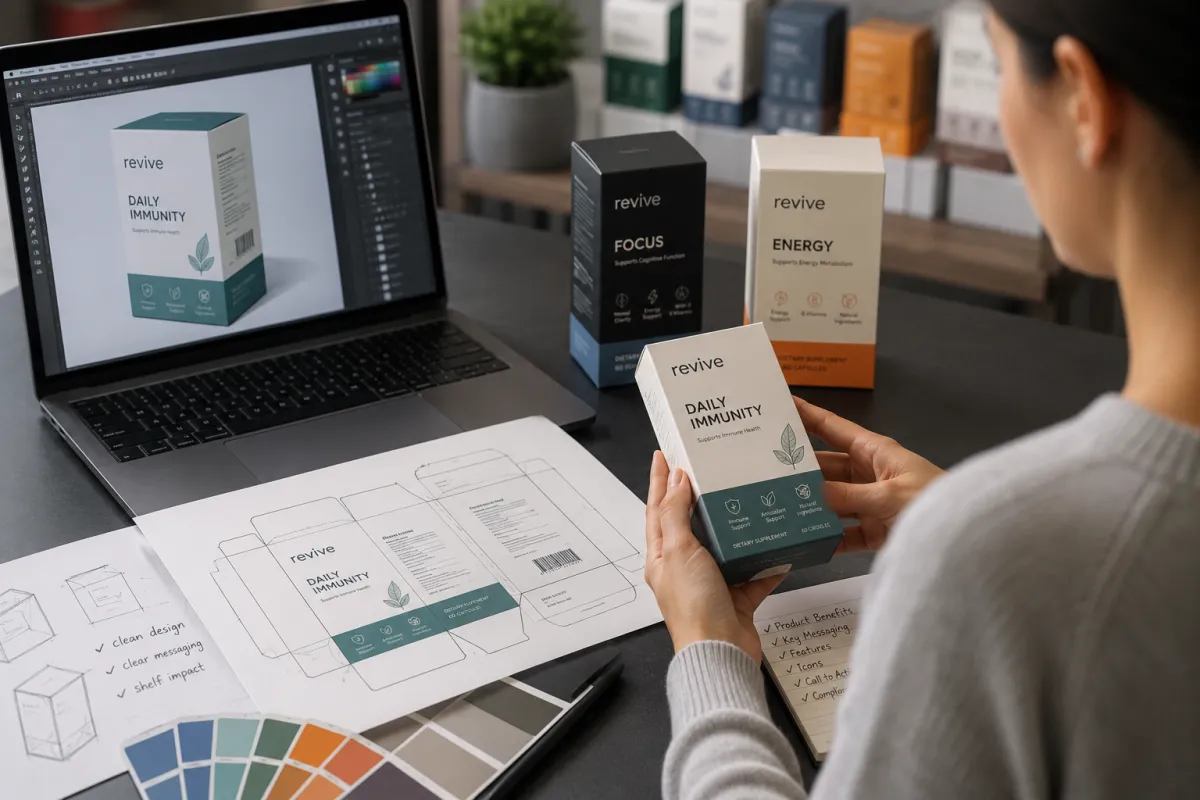
Your packaging is often the first real interaction a customer has with your product. Rabbit designs retail packaging that helps your product stand out, communicate value quickly, and feel credible from the moment someone sees it.
We bring together brand identity, messaging, structure, materials, protection, and retail requirements to create packaging that works both visually and practically—whether your product is sold on a shelf, online, or through a retailer.
Stand Out On The Shelf
Create packaging that captures attention and helps your product compete visually.
Communicate Value Clearly
Organize messaging, benefits, and key information so customers understand the product quickly.
Design The Right Package
Choose the right structure, materials, format, and presentation for the product and sales channel.
Prepare For
Retail
Build packaging with production, barcodes, required information, shipping, and retail use in mind.
WHAT WE OFFER
Retail Packaging Solutions Built Around Your Product
From standard packaging formats to fully custom designs, Rabbit helps create packaging that protects your product, communicates value, and is prepared for manufacturing and retail.
Six-Sided Boxes
A versatile retail box solution for products that need structure, protection, and strong shelf presence.
Custom graphics and messaging
Product information and branding
Dieline-based artwork
Retail-ready presentation
Labels
Create professional labels that clearly communicate your brand, product benefits, and required information.
Product and container labels
Brand-forward graphic design
Clear information hierarchy
Production-ready artwork
Tube Packaging
Develop packaging for products that are best presented or protected in a cylindrical tube format.
Branded exterior graphics
Product messaging and instructions
Size and layout considerations
Retail-ready visual design
Blister Packaging
Combine a formed plastic blister with printed backing or folded card designs for clear product visibility.
Blister card design
Fold-over and trapped blister options
Product visibility and protection
Messaging, branding, and required information
Custom Packaging
When a standard format does not fit your product, we can develop a packaging direction around its specific needs.
Custom structures and concepts
Unique product presentation
Material and format considerations
Packaging tailored to the sales channel
Production-Ready Artwork
Turn the approved packaging direction into files your manufacturer can actually work with.
Manufacturer dieline setup
Print-ready artwork
Barcode and required-content placement
Final production file preparation

FINDING THE RIGHT SOLUTION
Are You Experiencing Any of This?
A great product can still struggle if the packaging fails to attract attention, communicate value, or build confidence. Poor structure, unclear messaging, weak shelf presence, or missing retail requirements can make it harder for customers to understand your product—and easier for them to pass it by.
Your packaging doesn’t clearly communicate what the product is or why it matters
Your product isn’t standing out on the shelf or against competing brands
You’re unsure how to balance design, protection, required information, and retail requirements
Strategy Before Promotion
Marketing is not just running ads. It is answering the questions that make ads work.
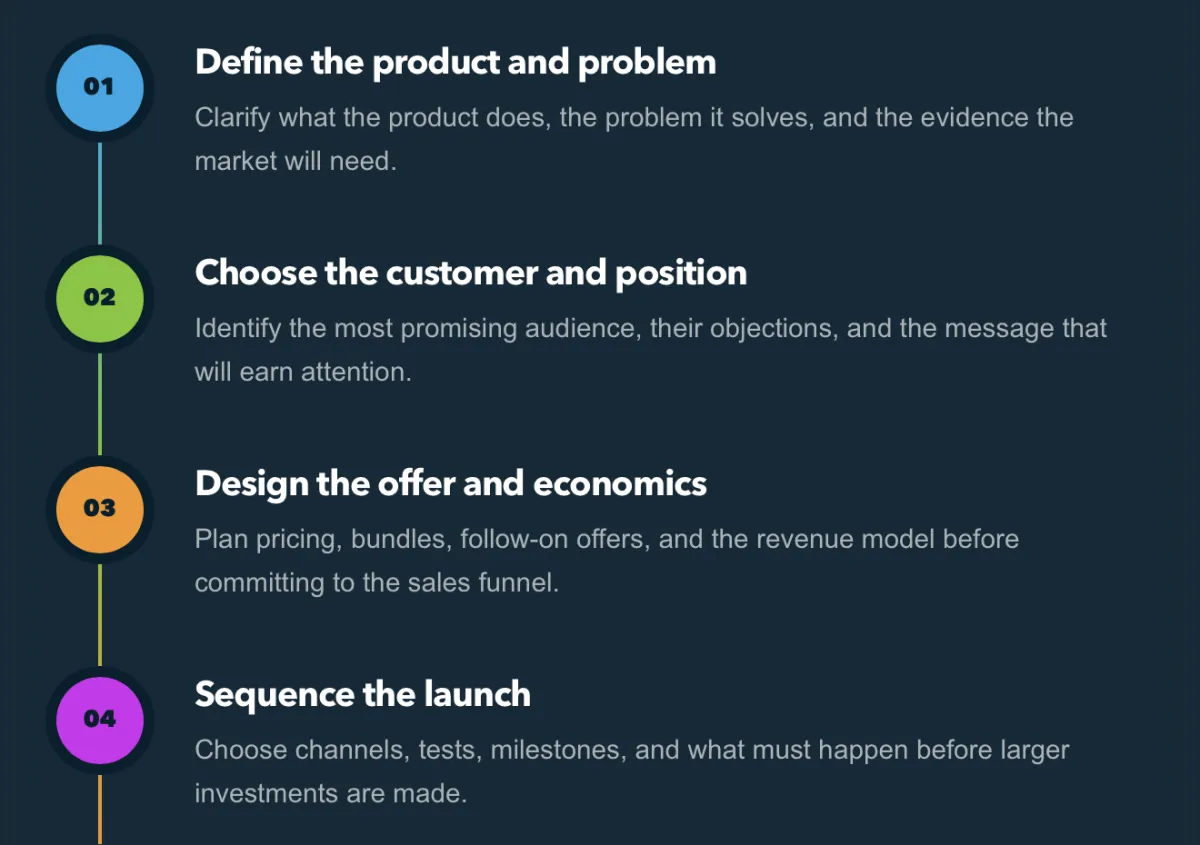
Every part of the launch becomes more focused when the team agrees on these six decisions.
01 —
Who is the ideal customer?
Choose a specific audience with a meaningful problem and a reason to seek a solution.
02 —
What problem are you solving?
Translate the product into the customer outcome it creates—not a list of features.
03 —
Why should they care?
Connect the outcome to a priority, frustration, aspiration, risk, or unmet need.
04 —
Why choose you?
Define the credible difference that makes the product more relevant than the alternatives.
05 —
Why buy now?
Give the customer a clear reason to act instead of postponing the decision indefinitely.
06 —
Where will they buy?
Match the channel to the buyer’s habits, expectations and purchase journey.
Before Launch, Not After
The most expensive time to invent your sales strategy
is after rollout.
Do not spend months perfecting the product and then ask, “Now how do we sell it?” Build the commercial foundation while the product, offer, and launch decisions can still support one another.
The costly mistake
Building expensive assets around an unclear strategy.
When positioning, pricing, and channel choices are unresolved, teams can waste money rebuilding the same launch infrastructure later.
Website
Inventory
Marketing
Advertising
Packaging
Sales materials
"If nobody knows it exists, nobody buys it. And if nobody buys it, it does not matter how innovative it is."
Product excellence is not market awareness.
Your customer must first discover the product in a place where they are already paying attention.
Innovation is not clear positioning.
The market must immediately understand what problem you solve and why your answer is different.
Launching a product is not building a business.
A sustainable business also needs pricing, channels, an offer structure, and a plan for continued growth.
POSITIONING CHANGES EVERYTHING
The best product does not always win. The best-positioned product often does.
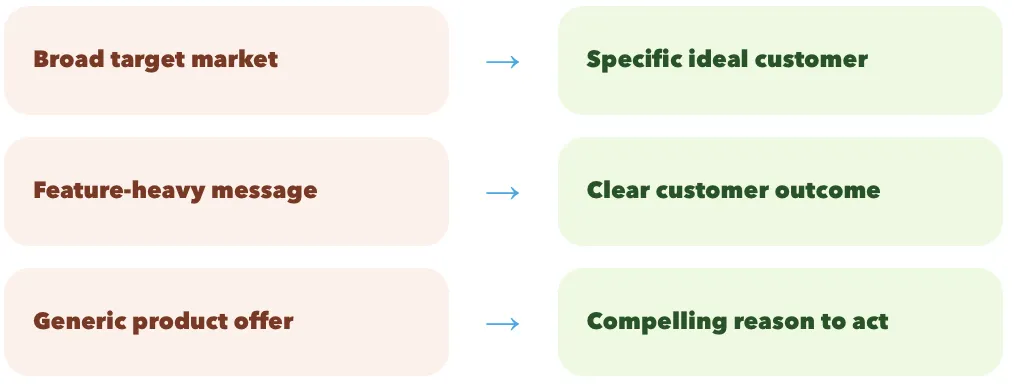
Founders frequently believe they have a marketing problem when the deeper issue is an unclear target customer, vague message, or weak offer. Once those pieces become specific, every marketing dollar has a clearer job.
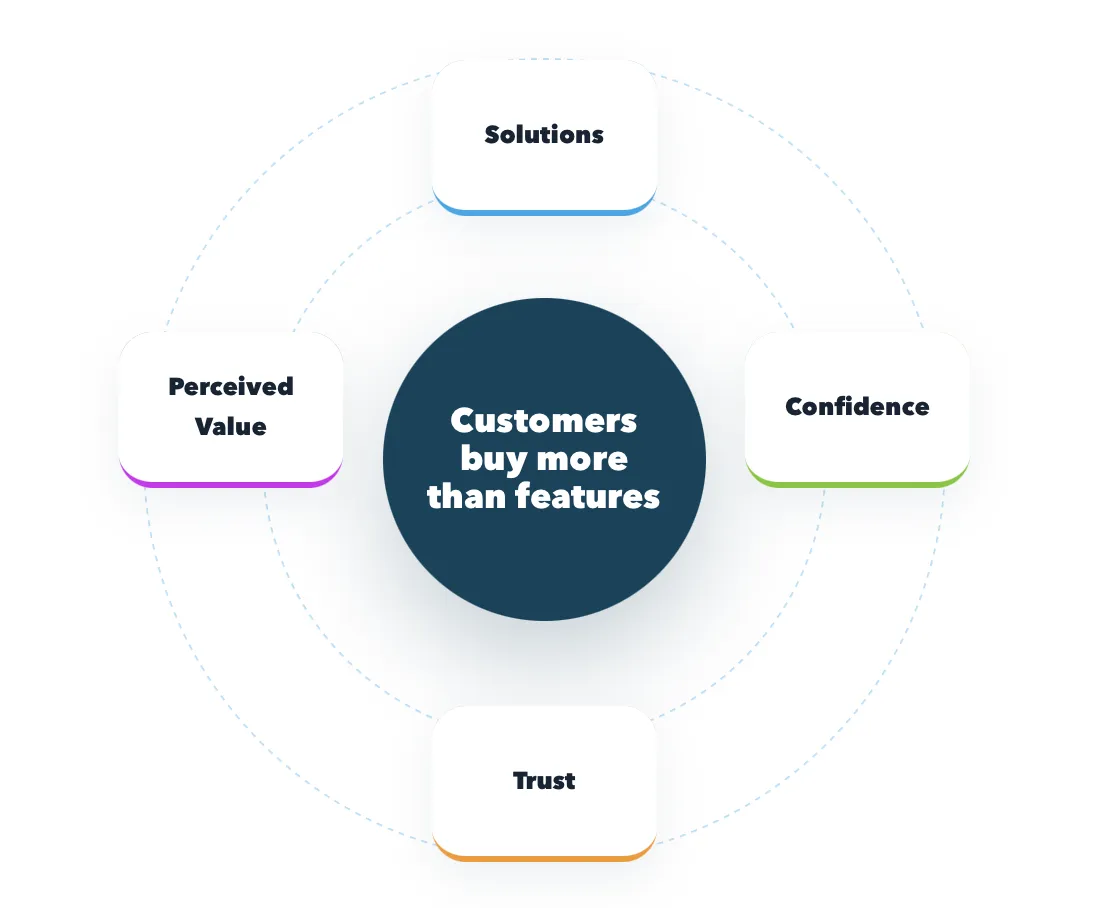
CHOOSE THE RIGHT ROUTE
Direct? Online? Retail? Distribution?
Licensing? Amazon?
The answer is not automatically “all of them.” Each channel changes pricing, margins, packaging, inventory, sales materials, customer acquisition, and the launch sequence.
Prioritize the channels most aligned with the customer and category.
Understand the tradeoffs before committing capital and inventory.
Build a staged approach instead of spreading resources too thin.
Use a combination only when the economics and execution support it.
HOW THE PROGRAM WORKS
Stop guessing. Make the major launch decisions
in the right order.
The engagement moves from discovery to research, strategic decisions, and a practical launch roadmap.
01 — DISCOVER
Understand the product
Review the product, stage, goals, customer assumptions, constraints, and questions the strategy must answer.
02 — RESEARCH
Study the opportunity
Review the product, stage, goals, customer assumptions, constraints, and questions the strategy must answer.
03 — DECIDE
Build the strategy
Refine positioning, messaging, pricing, offer architecture, sales channels, and revenue-model opportunities.
04 — ROADMAP
Plan the launch
Organize priorities, sequencing, tests, website and offer guidance, and the next steps needed for execution.
COMMON QUESTIONS
What founders ask before they begin.
The strongest time to answer these questions is before the launch infrastructure is locked in.
When should a go-to-market strategy begin?
Ideally, before launch and before major spending on the website, packaging, inventory, advertising, or sales infrastructure. The strategy can then guide those investments.
Is this simply a marketing plan?
No. It connects the customer, positioning, messaging, pricing, offer structure, sales channels, launch sequence, and revenue model. Marketing execution comes after those decisions.
Does every product need every sales channel or revenue offer?
No. The strategy should recommend the paths that make sense for the product and market. Some products fit direct sales, some retail or distribution, and some a carefully staged combination.
CUSTOM QUOTE
After Your Strategy Session
Every product has different packaging needs. Some products may fit a standard box, label, tube, or blister format, while others may require a custom structure, specialized materials, or additional retail considerations.
After learning about your product, dimensions, sales channel, branding, protection needs, and packaging goals, Rabbit will recommend the right packaging direction and provide a custom proposal based on what your product actually requires.
More Than Packaging Design. A Complete Retail Packaging Partner.
Rabbit helps connect the visual and functional sides of packaging—from structure, materials, and product protection to branding, messaging, required information, barcodes, and production-ready artwork.
Instead of treating design and manufacturing requirements as separate steps, you get one connected packaging process designed to help your product look professional, communicate clearly, and move more smoothly toward retail production.
Package It Right. Then Sell With Confidence.
Speak with a senior packaging expert to review your product, identify the right packaging format and requirements, and determine the smartest path toward a professional, retail-ready package.

FREE STRATEGY SESSION
You Know What The Product Should Do
This section will focus on what customers should look for when choosing a product or solution within this category. It can highlight important features, benefits, performance expectations, or other considerations that may influence their purchasing decision.
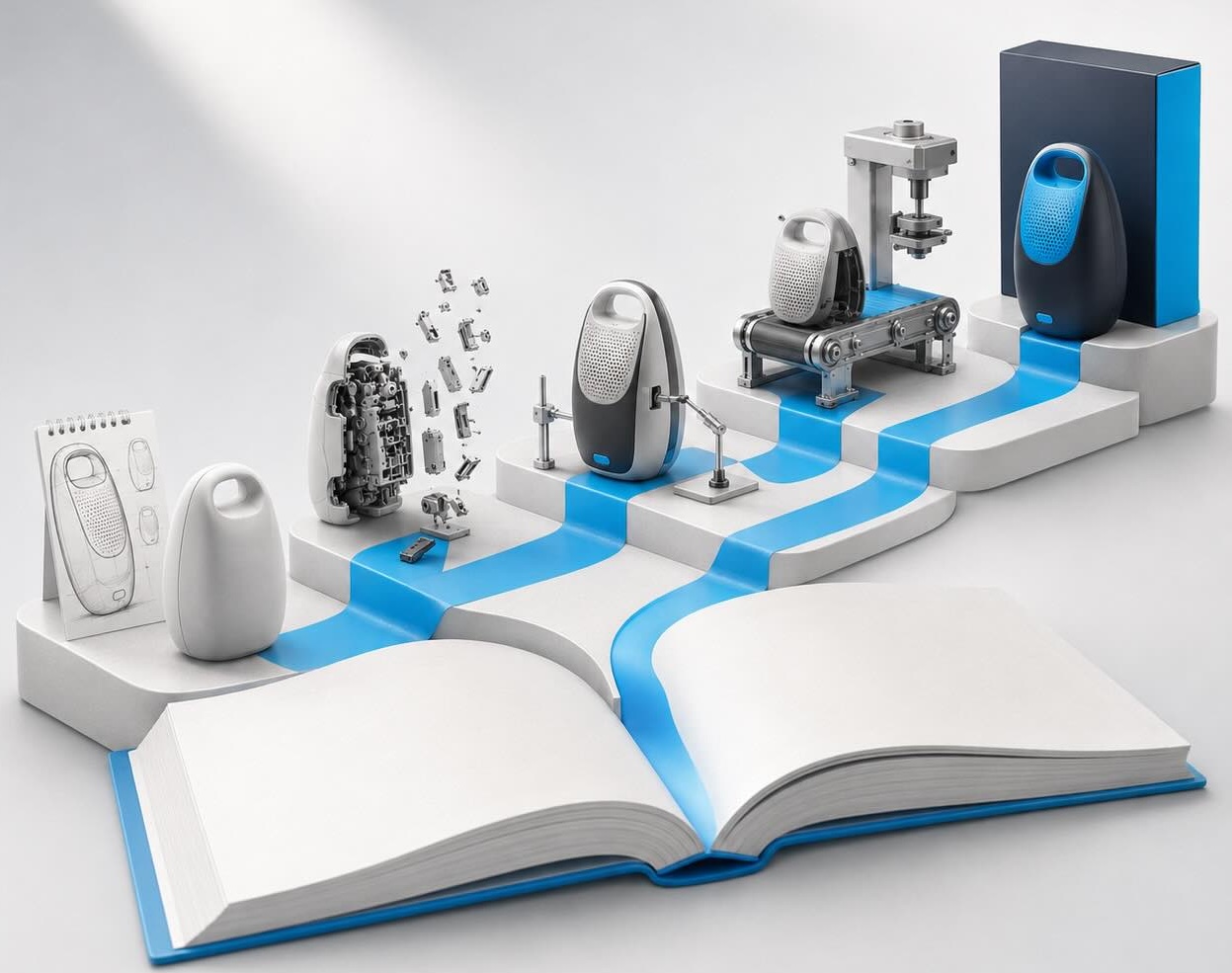
One Connected Development Path
This section will provide additional category-specific information that has not already been covered above. It can highlight what makes the company's approach, products, technology, materials, or process different from other options available in the market.
FREE "PAGE SPECIFIC" CONSULTATION
Get A Clearer Plan For Building "Category-Specific" Behind Your Product
This consultation is designed to help you understand what your product may need before you invest deeper into "page specific" mention.
Clarify "Category-Specific" Path
Review your product idea
Bullet point here
Bullet point here
Map the right next development step
Avoid unnecessary early spending
Understand what your product needs before you commit to the wrong prototype or board design.
"Category-Specific" Full Product
Bullet point here
User experience considerations
Assembly and manufacturing planning
Component and sourcing awareness
Prototype-to-production direction
Your electronics should support the full product — not create problems later when it is time to build, test, or manufacture.
What You Get
A confidential conversation with Rabbit’s product development team
A clearer understanding of your product’s electronics path
An overview of the biggest technical risks to solve first
Recommended next steps for breadboarding, schematic design, PCB layout, prototyping, or validation
Insight into how Rabbit can support design, engineering, prototyping, manufacturing, and launch