Baby Product Design
Bring Your Baby Product Idea To Life
Trusted By 2,000+ Founders To Create Safe, Thoughtful Products Parents Love
Products Designed & Prototyped
Years Average Experience
Rated on BBB
In-House Design & Engineering
Products Designed & Prototyped
Years Average Experience
Rated on BBB
In-House Design & Engineering

Products Designed & Prototyped

Years Average Experience

Rated on BBB

BABY PRODUCT DEVELOPMENT
Designing Thoughtful Products for Babies & Parents
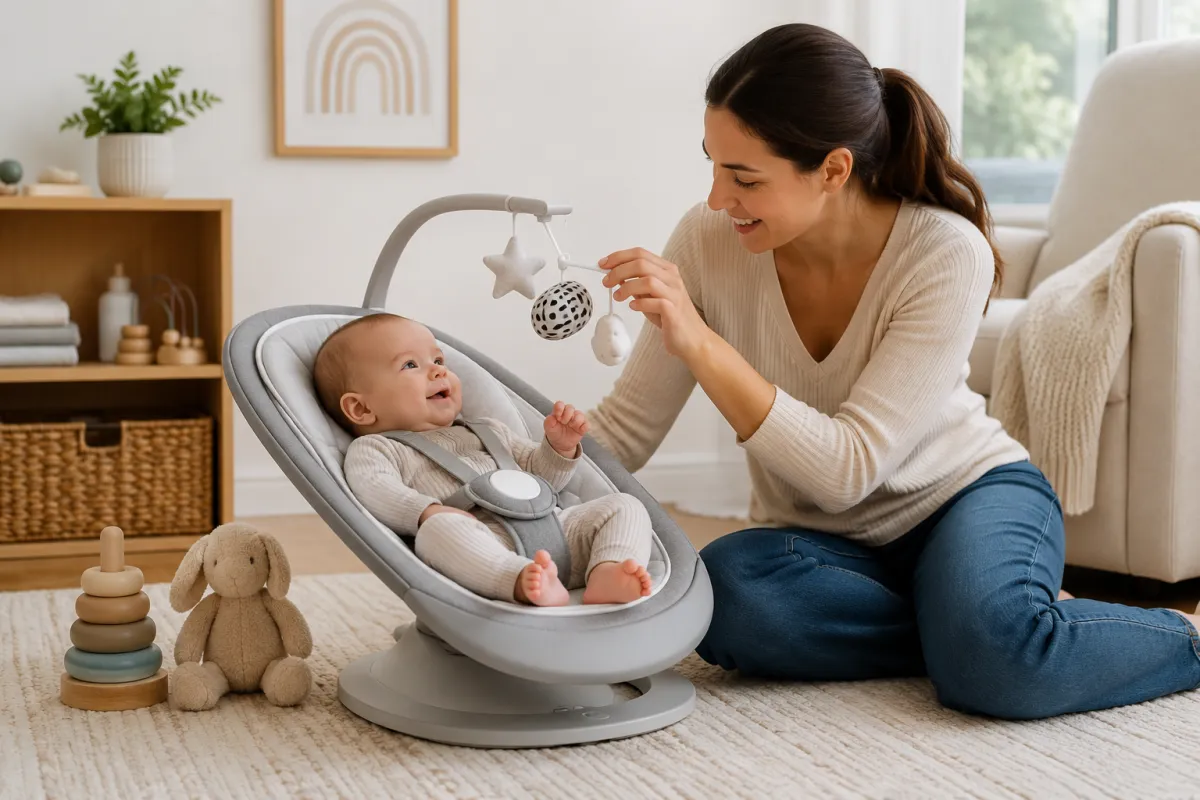
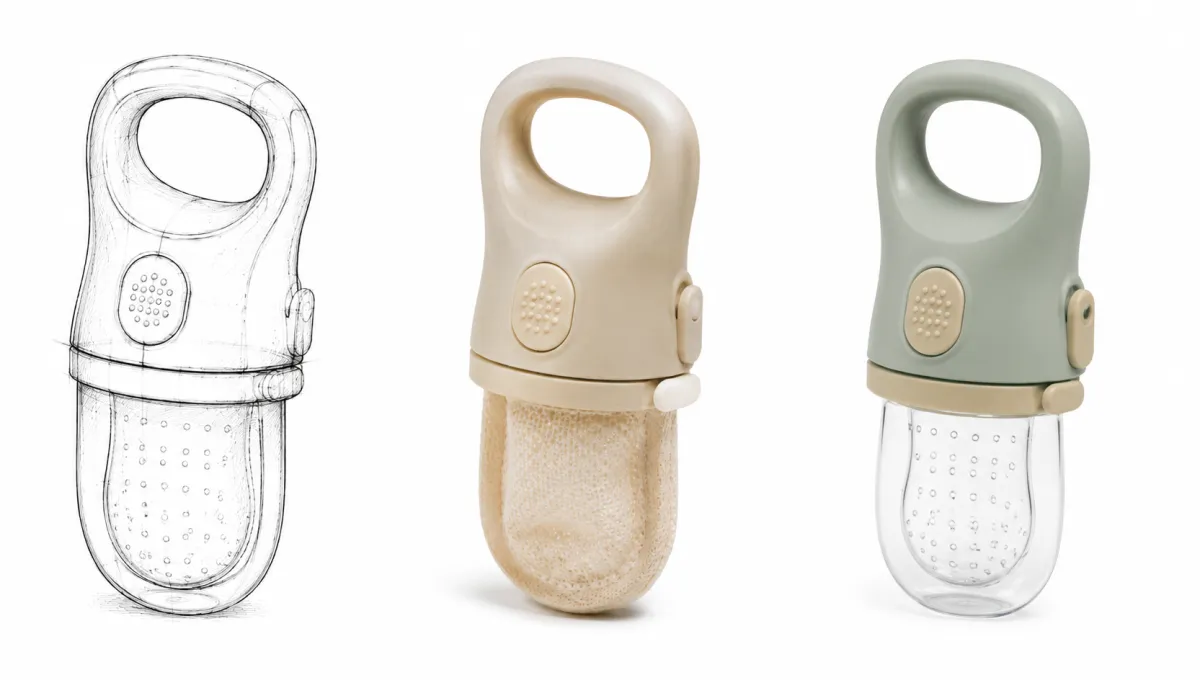
Baby products need to do more than look appealing. They have to support everyday caregiving, feel intuitive for parents, and be thoughtfully designed around comfort, accessibility, durability, and safer interaction.
Whether you're developing a feeding product, nursery item, travel accessory, bath product, toy, or everyday baby essential, successful products need to balance the needs of both the child and the caregiver.
Design around real parent-and-child use
Consider comfort, stability & safer interaction
Prepare the product for testing and manufacturing
PRODUCT DEVELOPMENT PROCESS
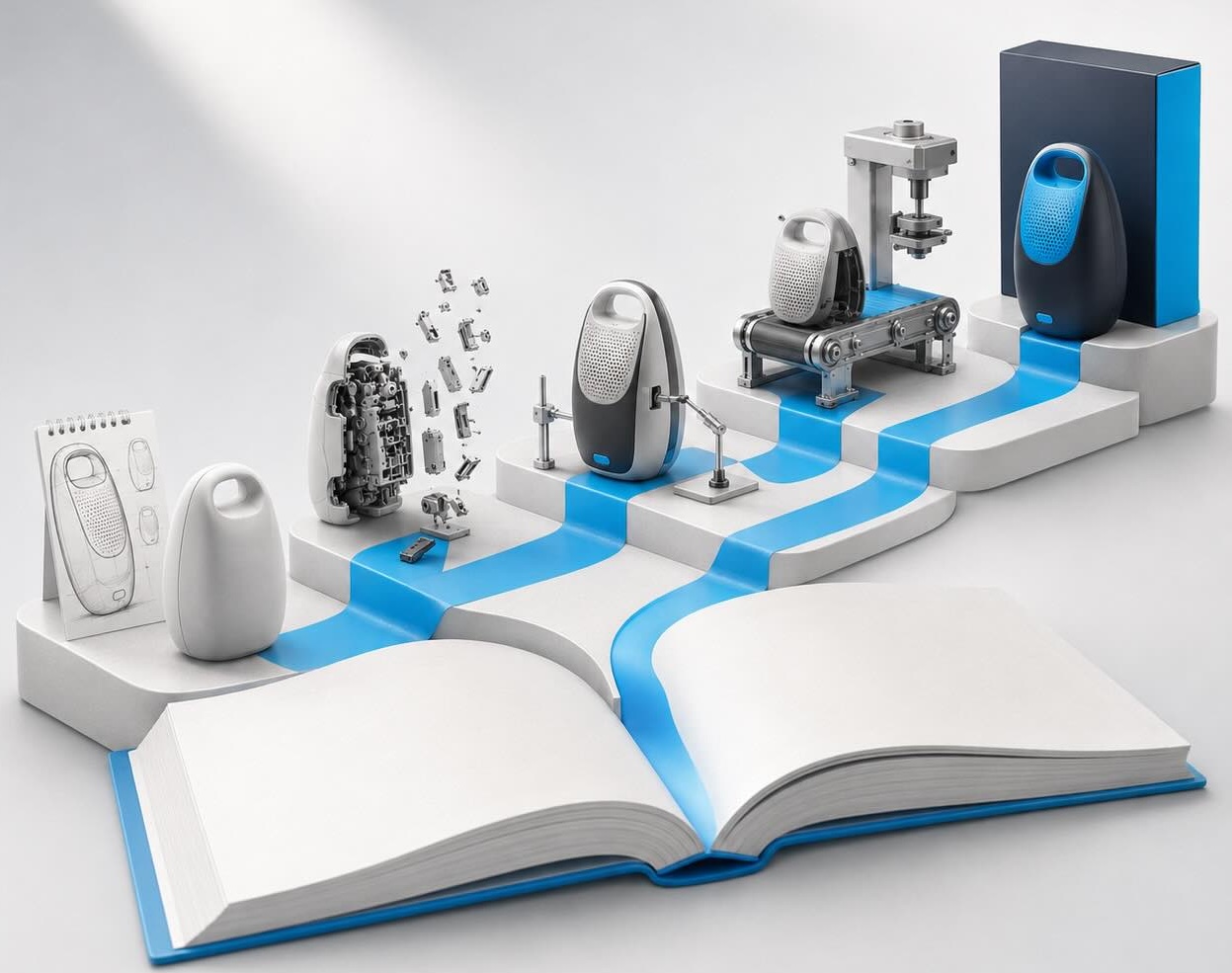
End-To-End Design, Prototyping, Manufacturing, and Launch
PRODUCT DEVELOPMENT SERVICES
What's Included In Baby Product Development
Everything you need to transform your baby product idea into a manufacturable, market-ready product.
Design
Parent-and-child usability planning
Age-appropriate product concepts
Comfort, accessibility & intuitive use
Everyday caregiving considerations
Engineering
Stability, load & pinch-point review
Child-appropriate material considerations
Rounded forms & safer interaction areas
Assembly and mechanical reliability
Prototyping
Parent-use workflow testing
Fit, reach & handling evaluation
Functional and stability testing
Design refinement before production
Production
Age-range and use-case planning
Packaging & instruction considerations
Manufacturing-quality requirements
Preparation for safety & compliance review

FINDING THE RIGHT SOLUTION
Are You Experiencing Any Of This?
Baby products need to work for both the child and the caregiver. Poor ergonomics, unstable designs, awkward handling, or overlooked safety considerations can create frustration, increase redesign costs, and make the path to production more difficult.
Unsure how to balance comfort, usability, and safer interaction
Struggling with stability, sizing, fit, or caregiver handling
Your concept needs more refinement before testing or manufacturing
You Know What The Product Should Do
This section will focus on what customers should look for when choosing a product or solution within this category. It can highlight important features, benefits, performance expectations, or other considerations that may influence their purchasing decision.
One Connected Development Path
This section will provide additional category-specific information that has not already been covered above. It can highlight what makes the company's approach, products, technology, materials, or process different from other options available in the market.
FREE "PAGE SPECIFIC" CONSULTATION
Get A Clearer Plan For Building "Category-Specific" Behind Your Product
This consultation is designed to help you understand what your product may need before you invest deeper into "page specific" mention.
Clarify "Category-Specific" Path
Review your product idea
Bullet point here
Bullet point here
Map the right next development step
Avoid unnecessary early spending
Understand what your product needs before you commit to the wrong prototype or board design.
"Category-Specific" Full Product
Bullet point here
User experience considerations
Assembly and manufacturing planning
Component and sourcing awareness
Prototype-to-production direction
Your electronics should support the full product — not create problems later when it is time to build, test, or manufacture.
What You Get
A confidential conversation with Rabbit’s product development team
A clearer understanding of your product’s electronics path
An overview of the biggest technical risks to solve first
Recommended next steps for breadboarding, schematic design, PCB layout, prototyping, or validation
Insight into how Rabbit can support design, engineering, prototyping, manufacturing, and launch
CUSTOM QUOTE
After Your Strategy Session
Every baby product has different design and development needs. Some concepts may need help with comfort, accessibility, stability, materials, or caregiver interaction, while others may be ready for prototyping, testing, or manufacturing support.
After learning about your product, intended age range, caregiver use, materials, safety considerations, and development goals, Rabbit will recommend the right path forward and provide a custom proposal tailored to your project.
More Than Product Design. A Complete Baby Product Development Partner.
Rabbit helps connect the full development process behind your baby product—from comfort, usability, caregiver interaction, and safer design considerations to engineering, materials, prototyping, testing, manufacturing, and packaging.
Instead of piecing together separate designers, engineers, prototypers, and manufacturers, you get one connected development path focused on creating a thoughtful, functional baby product that is ready to move toward market.
Design For Baby. Then Launch With Confidence.
Speak with a senior product design expert to review your idea, identify key usability and development considerations, and determine the smartest path toward a manufacturable, market-ready baby product.
FREE STRATEGY SESSION