What Makes a Good Prototype? Key Characteristics & Examples
Key Takeaways
A good prototype is defined by clear goals, appropriate fidelity, and focused testing, not by how polished it looks or how many features it includes.
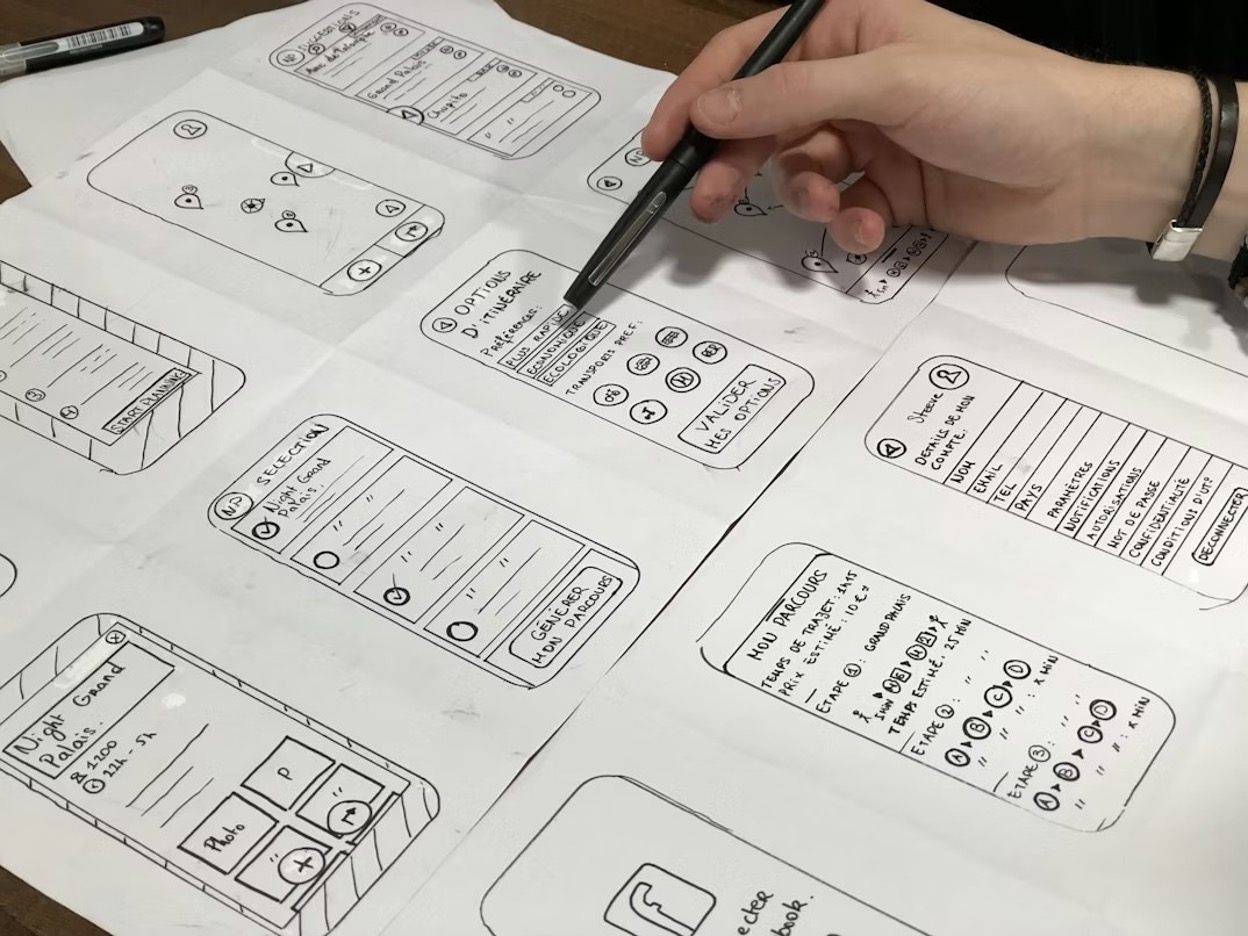
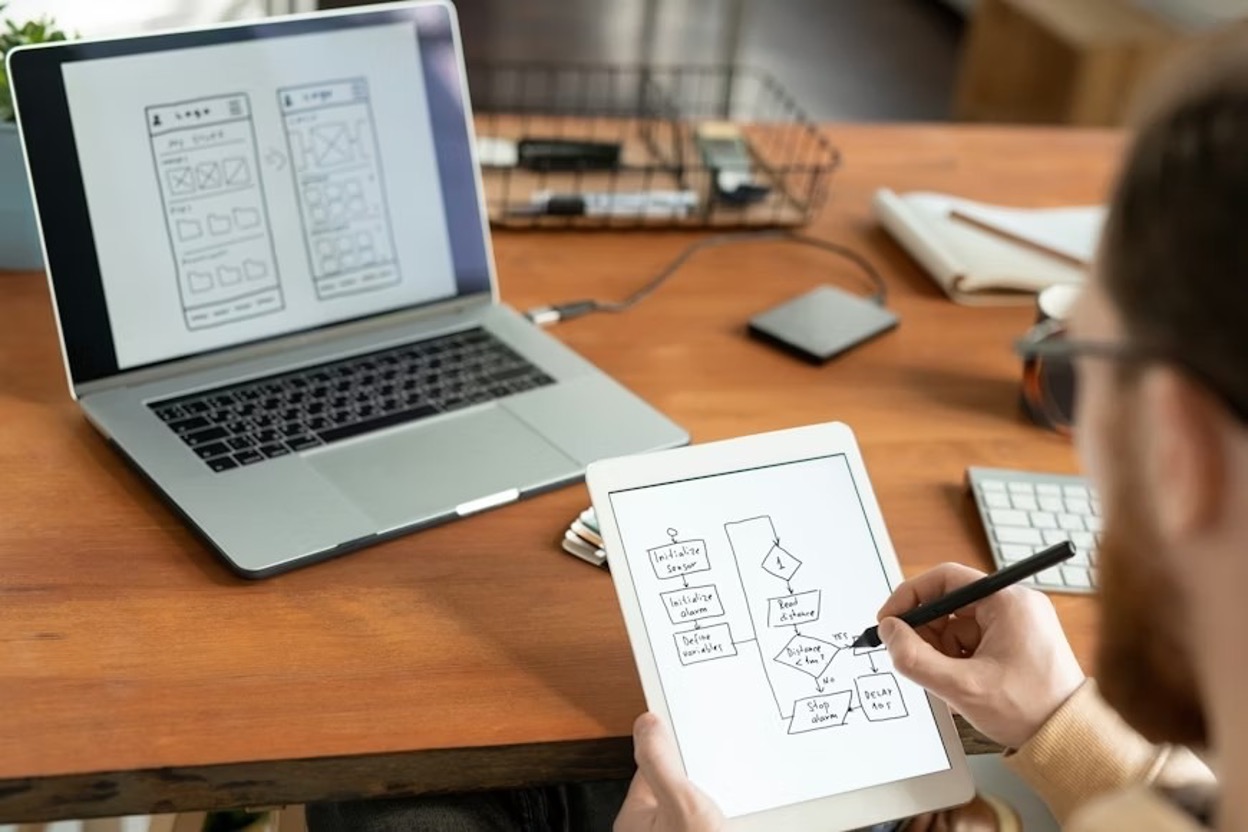
Prototyping starts earlier than most people expect: even a hand-drawn sketch or a PowerPoint deck qualifies if it generates actionable feedback on a specific question.
Material choice directly affects the reliability of your test results; prototyping in PLA or resin when your final product will be injection-molded ABS can lead to incorrect conclusions.
Matching fidelity to your current development stage prevents the most common budgeting mistake, which is over-investing in detail before foundational assumptions have been validated.
Rabbit Product Design builds prototypes using production-grade materials and processes, not 3D-printed stand-ins, so every iteration generates feedback that accurately reflects how the product will perform in manufacturing.
What Makes a Good Prototype?
Prototyping is one of the most misunderstood stages of product development. Many first-time developers assume a prototype needs to be a near-finished version of the product, something that looks impressive and demonstrates every planned feature. In reality, the most effective prototypes are often the simplest.
A foam model, a basic wireframe, or even a hand-drawn sketch can qualify as a prototype if it's built to answer a specific question and generate meaningful feedback. What separates a useful prototype from an expensive waste of time isn't the format or the fidelity; it's whether it was designed around a clear, testable goal.
This guide breaks down the main characteristics that make a prototype effective, from goal-setting and fidelity matching to material selection and budget discipline. You'll also see how real products like the Dyson vacuum and the original iPhone used focused, iterative prototyping to reach market-ready designs.
The Key Characteristics of a Good Prototype
Strip away the complexity, and every effective prototype shares the same foundational DNA. These are not abstract principles; they are practical checkpoints that separate prototypes that generate insight from ones that generate noise.
1. It Has Clearly Defined Goals
Before a single component is built or a single screen is designed, a good prototype starts with a written goal. Not a vague direction, a specific, answerable question. Does this grip feel comfortable after 30 minutes of use? Does this checkout flow reduce drop-off on mobile?
The more precise the question, the more useful the answer. Experienced developers follow a simple rule: one question, one prototype. Anything broader than that and the results become too noisy to act on.
2. It Addresses a Specific Problem
A prototype should always trace back to a pain point, something real that your end user is experiencing. This keeps the development process grounded and prevents the common trap of building something technically impressive that solves nothing meaningful.
This also means knowing what the prototype is not supposed to test. Setting boundaries on scope is just as important as setting goals. A prototype that wanders outside its defined problem space produces feedback that is difficult to apply and easy to misinterpret.
3. It Matches the Right Fidelity Level to the Stage of Development
Fidelity is one of the most misunderstood concepts in prototyping. A high-fidelity prototype: one that closely mimics the final product in look, feel, and function, is not automatically better than a low-fidelity one. Each has a specific role depending on where you are in the development timeline.
Spending a high-fidelity budget on an early-stage concept is one of the fastest ways to over-invest in a direction that hasn't been validated yet. Match the fidelity to the question you're asking, not to what looks most impressive in a presentation.
4. It Tests What Actually Matters
Good prototypes are ruthlessly prioritized. They focus testing resources on the riskiest assumptions, the things that, if wrong, would sink the product.
If you're building a wearable health device, the riskiest assumption might be about comfort during extended wear, not the casing color. Build the prototype to stress-test that assumption first. Everything else is secondary until the core risk is resolved.
5. It Fits Within Budget Without Cutting Critical Corners
Budget discipline in prototyping is not about being cheap; it is about being strategic. Rapid prototyping methods, including CNC machining and hands-on model building, have made it significantly more affordable to iterate quickly without compromising on the quality of feedback gathered.
The goal is to spend only what is needed to answer the current question, then move to the next iteration. Over-engineering a prototype before its core concept is validated is a budget mistake that slows down development and inflates risk.
Why Prototype Materials Make or Break Your Results
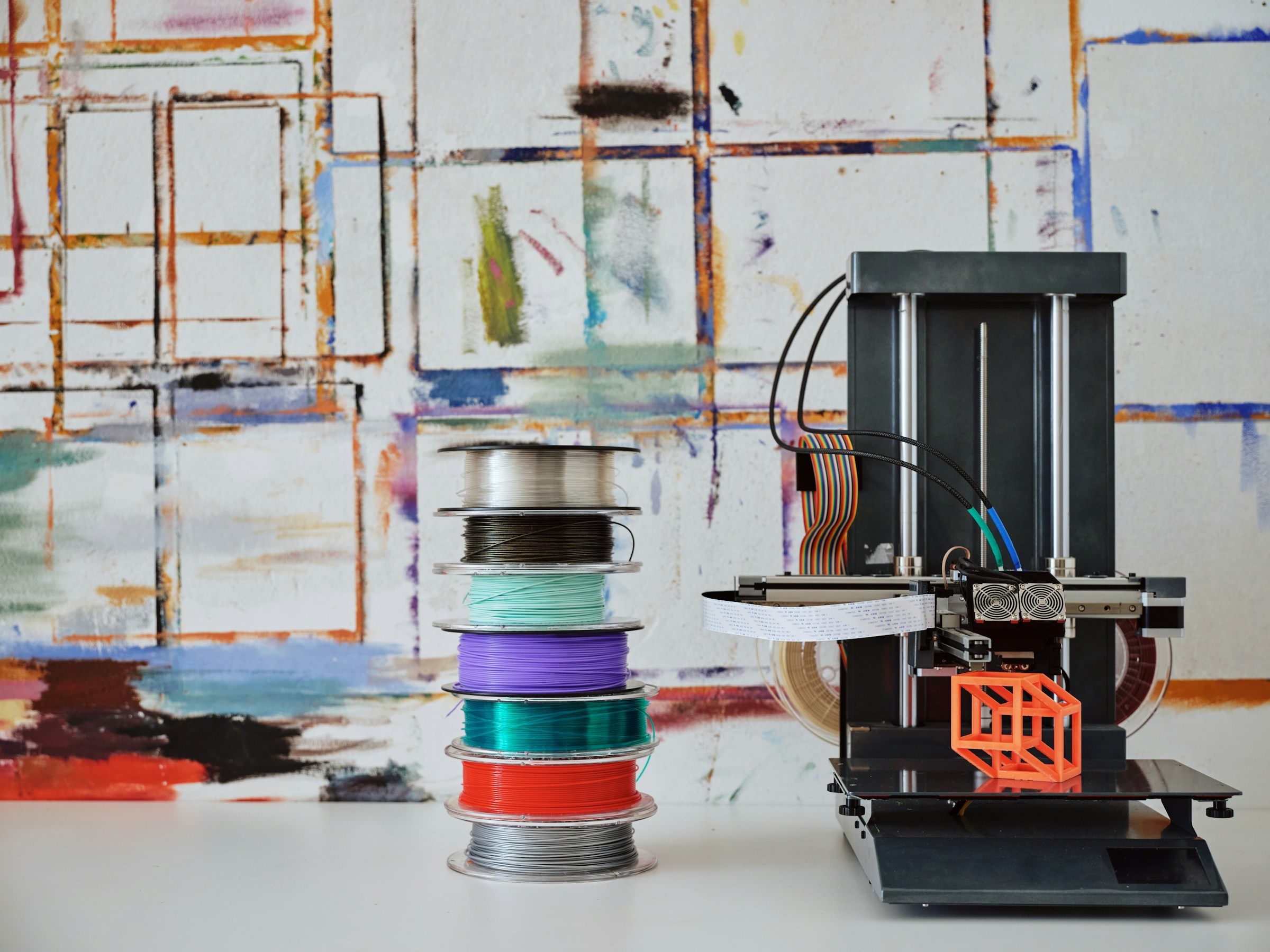
A prototype built from the wrong material will behave differently under stress, feel different in a user's hand, and respond differently to temperature and environmental conditions than your final product will. That gap between prototype behavior and real-world product behavior is where bad decisions get made.
The material you choose for a prototype is not just a logistical detail — it is a variable that can either validate or completely invalidate your test results.
Material Properties vs. Final Product Specs
When evaluating a prototype, you need to account for the specific properties of the material you are using and how they compare to your intended production material. Key differences to track include:
Hardness: A prototype printed in standard PLA plastic will feel and respond very differently from a final product injection-molded in ABS or polycarbonate.
Flexibility: Materials used in rapid prototyping often have different flex tolerances than production-grade alternatives, which matters enormously for hinges, clips, and structural joints.
Temperature Resistance: Many 3D printing resins and filaments begin to warp or degrade at temperatures that production-grade materials handle without issue.
Durability & Wear: Prototype materials may not replicate the long-term wear characteristics of a final product, so durability testing on a prototype can yield misleading results if material differences are not accounted for.
Surface Finish: The texture and finish of a prototype material affect user perception in tactile testing and should be noted when gathering aesthetic feedback.
Understanding these gaps does not mean your prototype is invalid; it means you interpret the results in the right context. A foam model will never tell you how your product performs in a drop test. But it will tell you whether the ergonomic shape feels right in a user's hand, which might be all you need at that stage.
Real-World Prototype Examples That Got It Right
Dyson: 5,127 Iterations Before a Winning Vacuum
James Dyson did not stumble into 5,127 prototypes by accident. Each of Dyson's cyclone vacuum prototypes was built to answer a specific engineering question about airflow, suction consistency, and filter performance. The prototypes were not polished or presentation-ready; they were functional test vehicles.
Dyson has spoken publicly about how most of those iterations failed and that each failure was a data point. Data gathered from a prototype that does not work is often more valuable than that from one that almost works, because it narrows the solution space with precision.
The product that eventually launched in 1993 was not the result of creative genius alone; it was the result of a systematic, question-driven prototyping process applied with relentless consistency.
Apple’s Early Foam Models for the iPhone
Before a single line of software code was written for the original iPhone, Apple's design team was building physical foam models of the form factor. They had no screens, no functioning buttons, no electronics of any kind. Their entire purpose was to answer one question: what should this device feel like in a human hand?
That singular focus on ergonomic validation at the earliest possible stage, using the cheapest possible materials, is a masterclass in matching fidelity to the question being asked. The foam models informed the final dimensions of the iPhone and established design constraints that the engineering team then had to solve within.
Starting with a low-fidelity physical prototype to answer a high-stakes human factors question is a strategy that any product developer can replicate, regardless of budget.
What Makes a Good Prototype, and How Rabbit Product Design Gets It Right
Led by Adam Tavin with 27+ years of experience, our team has developed 2,000+ products across consumer, medical, and industrial markets.
At Rabbit Product Design, we treat prototyping as a learning tool, not a deliverable. Each prototype has a clear goal, tests key risks early, matches the right stage, and uses materials that reflect real-world manufacturing, not just speed or cost.
We build with production materials from the start and follow a structured process from feasibility to launch. Our focus isn’t a perfect prototype; it’s a product that can be built, manufactured, and sold successfully.
Make a good prototype with us today.
Frequently Asked Questions (FAQs)
How detailed does a prototype need to be?
Only as detailed as the current question requires. Early concepts need sketches and foam models; pre-production validation needs near-final materials. Over-detailing too early wastes resources that should be saved for later iterations. Increase detail gradually as your questions get more specific.
What is the difference between a low-fidelity and a high-fidelity prototype?
Low-fidelity prototypes are fast, cheap, and rough: sketches, cardboard models, basic wireframes, used to validate big-picture ideas early. High-fidelity prototypes closely mirror the final product in materials and function, used late in development for precise design feedback. High-fidelity builds are only justified after foundational questions have been answered.
Can a PowerPoint or sketch count as a prototype?
Yes. Anything that generates meaningful feedback around a testable idea qualifies; a sketch, a video, a clickable mockup, or a slide deck. A prototype is not the same as a finished product. Some of the most valuable product insights have come from paper prototypes built in an afternoon.
How does Rabbit Product Design approach prototyping differently?
Rabbit Product Design builds prototypes using production materials, not 3D prints. 3D printing helps visualize shape, but doesn't replicate real material behavior. Our approach ensures feedback reflects production reality, so nothing critical surfaces after tooling costs are committed.
*Disclaimer: This content is for educational purposes only and not financial, legal, or business advice. Figures vary by circumstance. Consult qualified professionals before making decisions. For personalized guidance, contact Rabbit Product Design.