

What Happens if You Ignore a Patent: Legal Consequences, Costs & Alternatives
Key Takeaways
Ignoring a patent or a cease-and-desist letter doesn't make the problem go away; it almost always makes it worse and more expensive.
Courts can award triple damages when infringement is deemed willful, meaning what you ignored could cost you three times what you might have paid to license the patent legally.
A patent holder can force you to stop selling your product entirely through a court-ordered injunction, even if your business depends on it.
There are real alternatives to ignoring a patent, from designing around it to challenging the patent's validity at the USPTO, and they are almost always cheaper than litigation.
At Rabbit Product Design, patent research is our starting point to help inventors build smarter products without legal exposure.
What Happens If You Ignore a Patent?
Patent law in the United States is built on one foundational principle: the patent holder has the exclusive right to make, use, sell, or import their invention. When someone else steps into that space without permission, the law calls it infringement, and it doesn't matter whether you knew about the patent or not.
The financial exposure in patent cases is not theoretical. U.S. courts regularly hand down multi-million dollar verdicts, and those numbers can grow substantially when infringement is found to be willful. For small businesses and solo inventors, even a modest damages award can be company-ending. The legal fees alone, before a single verdict is reached, frequently run into six figures.
None of this is designed to scare innovators away from building and launching products. It is designed to make the risk crystal clear so that informed decisions can replace assumptions.
What Patent Infringement Actually Means
Patent infringement occurs when a party makes, uses, sells, offers to sell, or imports a patented invention within the United States without authorization from the patent holder during the term of the patent. That definition comes directly from 35 U.S.C. § 271, the core federal statute governing patent rights. It is broader than most people realize.
There are two main categories worth understanding. Direct infringement is straightforward; your product or process matches the claims of an active patent. Indirect infringement is more nuanced and covers situations where you actively encourage or enable someone else to infringe, even if you never directly practice the patent yourself. Both carry real legal exposure.
What catches most innovators off guard is that knowledge of the patent is not required for infringement to exist. If your product independently arrived at the same solution covered by an active patent claim, you are still infringing. This is why patent searches before product launches matter far more than most startups appreciate.
What Happens When You Ignore a Cease-and-Desist Letter
A cease-and-desist letter is typically the opening move in a patent dispute. The patent holder, usually through their attorney, formally puts you on notice that they believe you are infringing their patent and demands that you stop. Many recipients make the mistake of treating this letter as an empty threat, tossing it aside or hoping it never leads anywhere. That decision has a measurable cost.
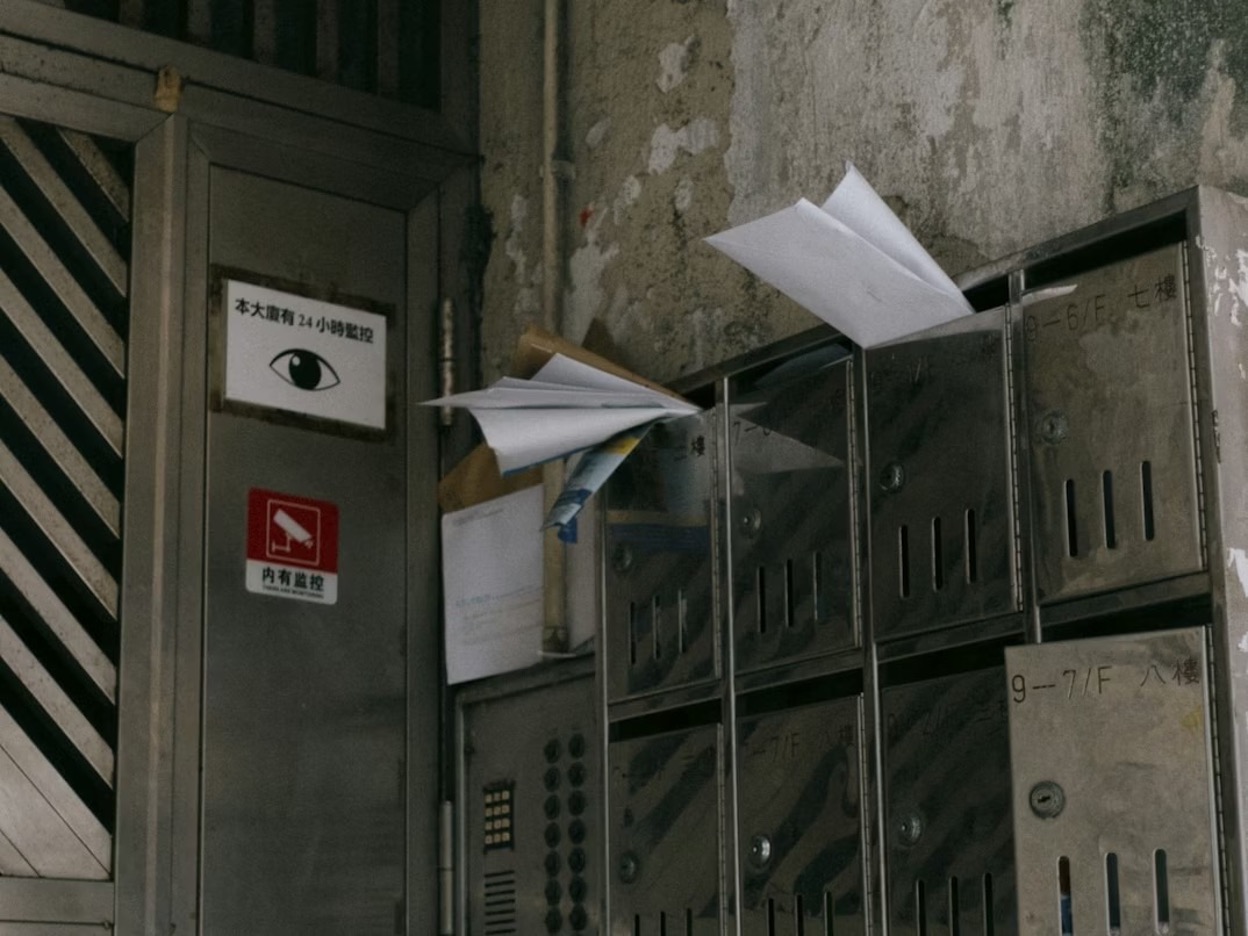
Leaving a cease-and-desist unanswered signals defiance to patent holders and tends to speed up the decision to sue.
Why Ignoring It Escalates the Problem
The moment you receive a cease-and-desist letter, the legal clock changes. From that point forward, any continued infringement is no longer unknowing; you have been formally notified. Courts treat this distinction seriously. What might have been characterized as innocent infringement before the letter becomes something harder to defend after it.
Patent holders are watching. When they send a cease-and-desist and receive no response, most interpret the silence as defiance rather than ignorance. That perception tends to accelerate their decision to file a lawsuit.
Meanwhile, every day your product stays on the market after that letter represents additional damages accumulating against you, damages that the other side will document meticulously if the case goes to court.
Willful Infringement & Triple Damages
This is where ignoring a patent stops being a passive mistake and becomes an active financial catastrophe. Under 35 U.S.C. § 284, courts have the authority to increase damages up to three times the amount found or assessed when infringement is deemed willful.
In practical terms, this means a $2 million base damages award can become a $6 million judgment simply because you were notified and chose to do nothing. That is not a legal technicality; it is a documented pattern courts see regularly. The enhanced damages provision exists specifically to deter exactly the behavior of continuing to infringe after receiving notice.
The Legal Consequences of Patent Infringement

Once a patent holder decides to move from warning letters to actual litigation, the consequences become both immediate and cascading.
Injunctions That Force You to Stop Selling
A court-ordered injunction is often the most immediately devastating consequence for a product-based business. If granted, it legally prohibits you from making, using, selling, or importing the infringing product, sometimes within days of a court order.
For a company whose entire revenue stream depends on that product, an injunction is not just a legal penalty; it is an existential threat. While the Supreme Court's eBay Inc. v. MercExchange decision in 2006 made permanent injunctions slightly harder to obtain, courts still grant them regularly when the patent holder can demonstrate ongoing harm.
Financial Damages Awarded to the Patent Holder
Courts award damages intended to compensate the patent holder for the infringement. The baseline under federal law is no less than a reasonable royalty for the use of the invention. In cases where the patent holder can demonstrate actual lost profits caused directly by the infringement, the award can rise significantly. These are not symbolic penalties; they are calculated based on actual sales data, market-share analysis, and expert economic testimony.
It is also worth noting that damages can be calculated retroactively across the entire period of infringement. If you have been selling an infringing product for three years before getting caught, the damages calculation starts from when the infringement began, not from when the lawsuit was filed. The longer the infringement runs, the larger the exposure.
Legal Fees & Litigation Costs
Patent litigation is among the most expensive forms of civil litigation in the United States. Even a relatively straightforward patent case can cost each side between $2.3 million and $3 million to litigate through trial.
In cases where the court finds the matter to be "exceptional," which can include situations of clear willful infringement, the losing party may be ordered to pay the prevailing party’s attorney’s fees on top of their own. That is a financial outcome that very few small businesses can absorb.
Alternatives to Ignoring a Patent
1. Design Around the Patent
Designing around the patent is a technically creative alternative. This involves modifying your product so that it no longer falls within the scope of the patent's claims. Patent claims are the legally operative portion of a patent, the numbered sentences at the end of the document that define exactly what is protected.
A qualified patent attorney and your engineering team can conduct a freedom-to-operate analysis to identify which specific claims your product triggers, then determine whether a design modification can remove you from that legal territory while preserving your product’s core functionality and market value.
2. Challenge the Patent’s Validity at the USPTO
Not every patent that gets asserted against you is actually a valid patent. The United States Patent and Trademark Office (USPTO) grants patents based on examination, but examiners do not catch everything. If prior art exists that predates the patent and discloses the same invention, or if the patent was granted in error, you may have grounds to challenge its validity.
The USPTO offers two primary administrative proceedings for this: Inter Partes Review (IPR) and Post-Grant Review (PGR), both introduced under the America Invents Act of 2011. These proceedings are heard before the Patent Trial and Appeal Board (PTAB) and are significantly less expensive than full district court litigation.
Before pursuing any of these routes, a thorough prior art search is essential. If compelling prior art exists, an IPR petition can be a powerful and cost-effective tool to neutralize a patent claim entirely. If the prior art is thin, challenging validity may not be worth the investment.
What Ignoring a Patent Really Costs & What Rabbit Product Design Recommends Instead

With Adam Tavin bringing 27+ years of experience, our team has created over 2,000 prototypes across consumer, medical, and industrial markets.
At Rabbit Product Design, we know ignoring patents can lead to serious legal and financial risks. That’s why we include patent research early, not to push filings, but to help you understand the landscape and build without stepping into protected IP.
We also recognize that patents alone don’t guarantee protection. Our focus is on getting products to market through feasibility, design, engineering, and production-ready prototyping with real materials, followed by manufacturing, branding, and launch, so you can compete with a product that actually sells.
Start Your Product Journey Today →
Frequently Asked Questions (FAQs)
What are the legal consequences of ignoring a patent?
Consequences can include a permanent injunction stopping you from making or selling the infringing product, monetary damages based on lost profits or a reasonable royalty rate, and attorney fee awards in exceptional cases. For willful infringement (knowingly disregarding a patent), damages can be tripled. These outcomes apply regardless of whether the infringement was intentional.
How much does patent litigation actually cost?
Defending a patent infringement lawsuit through trial typically costs $2 million to $4 million in legal fees alone. Even cases that settle before trial regularly involve six-figure costs on both sides. This is why many small businesses cannot practically enforce patents they hold, and why avoiding infringement from the start is far less expensive than resolving it after the fact.
Can you design around a patent to avoid infringement?
Yes, and it's often the most practical path when a conflict is identified. Because patent protection is defined by the specific language of the claims, not the general concept, a product that functions similarly but is structured differently enough to fall outside those claims does not infringe. This requires careful reading of the claims with qualified legal guidance, but it's a legitimate and widely used strategy.
How does Rabbit Product Design approach patent risk for new products?
At Rabbit Product Design, patent research is built into the front of our development process; not to file patents, but to understand what's already protected. Before any design or engineering begins, we map the competitive IP field so every development decision moves the product away from risk. Our goal is to help clients build products that launch clean, sell fast, and don't carry legal exposure into the market.
*Disclaimer: This content is for educational purposes only and not financial, legal, or business advice. Figures vary by circumstance. Consult qualified professionals before making decisions. For personalized guidance, contact Rabbit Product Design.