
Product Patent vs Process Patent: Differences, Examples & Requirements
Key Takeaways
Product patents protect the physical invention itself, while process patents protect the method or steps used to create something.
Both patent types require novelty, non-obviousness, and utility, but they differ significantly in how claims are written and how infringement is proven.
Rabbit Product Design helps inventors prioritize what actually generates revenue; a structured development process from feasibility through manufacturing and launch, using real production materials, so your product is market-ready and not just patent-protected.
Product Patent vs Process Patent: Protecting What You Made vs How You Made It
Not all forms of patent protection work the same way. A product patent protects what you invented; the physical device, compound, or composition itself, meaning no one can make, sell, or use that specific item, regardless of how they produced it.
A process patent protects how you made it; the specific method or sequence of steps that achieves a result. Someone could theoretically create the same end product using a different method without ever infringing your process patent.
This guide breaks down the key differences between product patents and process patents, including what each one protects, how claims are structured for each type, practical examples, the specific United States Patent and Trademark Office (USPTO) requirements for both filing routes, and when filing for both types simultaneously makes strategic sense.
What is a Product Patent?
A product patent is a type of utility patent that grants the inventor exclusive rights over a specific physical item, composition, or device. The protection is tied to the product itself, not the process behind its creation. This means that if someone manufactures your patented product using a completely different method, they still infringe your patent.
This is one of the most powerful forms of patent protection available. Because the rights follow the product, not the production method. Competitors can't simply reverse-engineer your manufacturing process to sidestep your intellectual property (IP). The product is off-limits, full stop.

A product patent is exactly what it sounds like: protection for a tangible invention. If you've created something new: a device, a compound, a machine, a composition of matter, a product, a patent gives you exclusive rights to that thing.
What a Product Patent Protects
Product patents cover a wide range of inventions. The protection extends to the specific structure, components, or chemical composition described in the patent claims. Those claims are the legal backbone of any patent; they define the exact boundaries of what's protected.
Broadly speaking, product patents can protect:
Mechanical devices and machines
Chemical compounds and pharmaceutical formulations
Electronic components and systems
Compositions of matter, including materials and alloys
Manufactured articles and consumer goods
The key is that what's being protected is a thing, something with physical form and definable characteristics. The claims in a product patent describe what the invention is, not what it does or how it's made.
Product Patent Examples
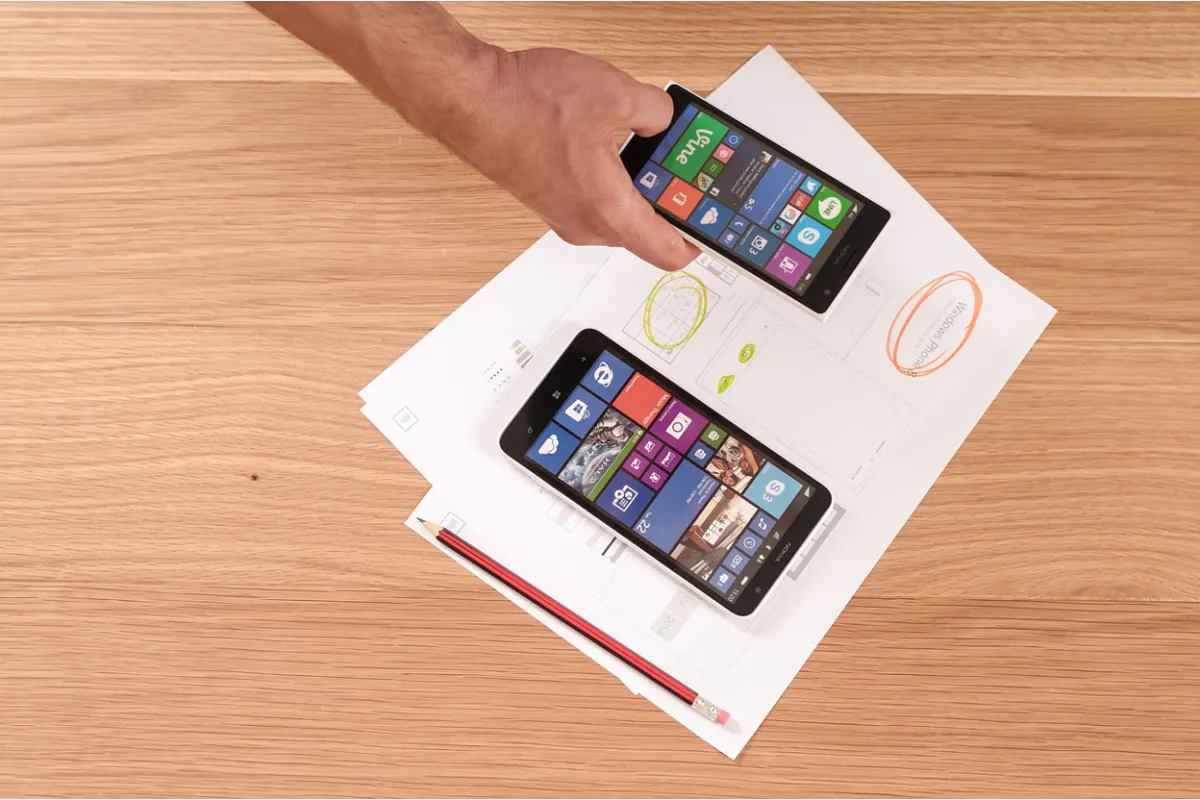
Some of the most recognizable patents in history are product patents. Apple's utility patents on the iPhone's internal technology and patents on semiconductor chip architectures are examples of product patents. These protections cover the inventions themselves; competitors cannot legally produce, sell, or import those specific products without a license.
What is a Process Patent?
A process patent is a type of utility patent that grants exclusive rights over a specific method or sequence of steps used to achieve an outcome. The invention here is the process itself, not the product it creates.
Two companies could produce an identical end product, but if one uses your patented method to do it, that's infringement. If they use a different method to reach the same result, there's no violation.
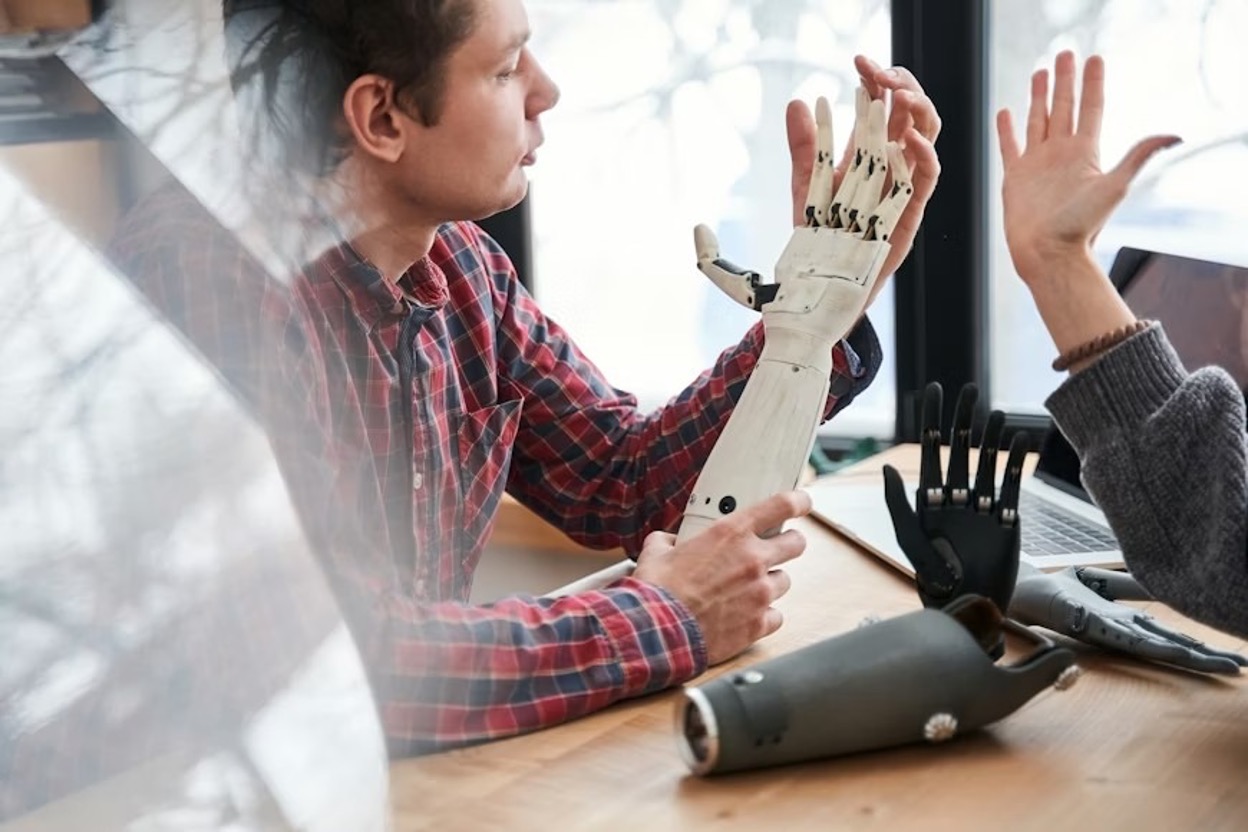
A process patent protects the how, the specific steps, methods, or techniques used to produce a result. While a product patent is anchored to a physical thing, a process patent is anchored to a procedure.
What a Process Patent Protects
Process patents protect the specific methodology behind a result. This includes manufacturing techniques, chemical synthesis procedures, software algorithms, data processing methods, and any repeatable sequence of steps that produces a consistent, useful outcome. The claims in a process patent describe what the invention does and the ordered steps that make the process work.
What makes process patents particularly valuable is their breadth in certain industries. A single patented manufacturing method can cover an entire production line, giving inventors control over how something is made, even when the final product itself isn't unique enough to patent independently.
In pharmaceuticals, for instance, a new synthesis route for an existing compound can be highly valuable even if the compound itself is no longer under patent protection.
Real-World Process Patent Examples
One of the most cited process patent examples is the Haber-Bosch process for synthesizing ammonia, a patented method that revolutionized fertilizer production and remains one of the most important industrial processes in history.
Pharmaceutical companies routinely file patent applications to protect new methods of synthesizing drug compounds, even after the product patent on the drug itself has expired. This strategy extends competitive protection by controlling the most efficient or cost-effective production route, even when the molecule is in the public domain.
Requirements for a Product Patent
The first requirement for a product patent is novelty. Your product must be new. Under 35 U.S.C. § 102, it cannot have been previously patented, described in a publication, or publicly used before your filing date.
Under current U.S. patent law (AIA), an inventor's own public disclosure of their invention triggers a one-year grace period; the application must be filed within one year of that disclosure. However, an independent third-party disclosure made before the filing date can destroy novelty with no grace period.
Beyond novelty, the invention cannot be an obvious variation of existing technology to someone with ordinary skill in the relevant field under 35 U.S.C. § 103. Simply combining two known products in a predictable way typically won't pass this test. Examiners evaluate non-obviousness by comparing your invention to prior art, assessing the level of ordinary skill in the field, and weighing objective indicators such as commercial success, a long-felt unmet need, and others' failure to solve the same problem.
Finally, your product must have a real-world use; it needs to be operable, provide an identifiable benefit, and solve a specific problem. For most physical inventions, utility is straightforward, but certain chemical compounds or early-stage biotech inventions may require substantial evidence.
Requirements for a Process Patent
A process patent's novelty requirement works the same way as a product patent; the method must not have been previously disclosed, published, or publicly used before your filing date. Non-obviousness, however, gets more nuanced. The examiner isn't just asking whether the result is obvious, but whether the specific sequence of steps to achieve that result would have been obvious to someone skilled in the field.
A new method producing a known result can still be patentable if the approach itself is inventive. This distinction matters enormously in biotechnology and pharmaceutical manufacturing, where researchers regularly develop new synthesis pathways for known compounds. The application process also differs in how claims are written. Product patent claims describe physical characteristics such as dimensions, components, and compositions.
Process patent claims are written as a series of active steps: "mixing," "heating," "applying," "separating." The written description must enable a skilled person to perform the method as described and should explain why each step matters, connecting the methodology to a useful outcome.
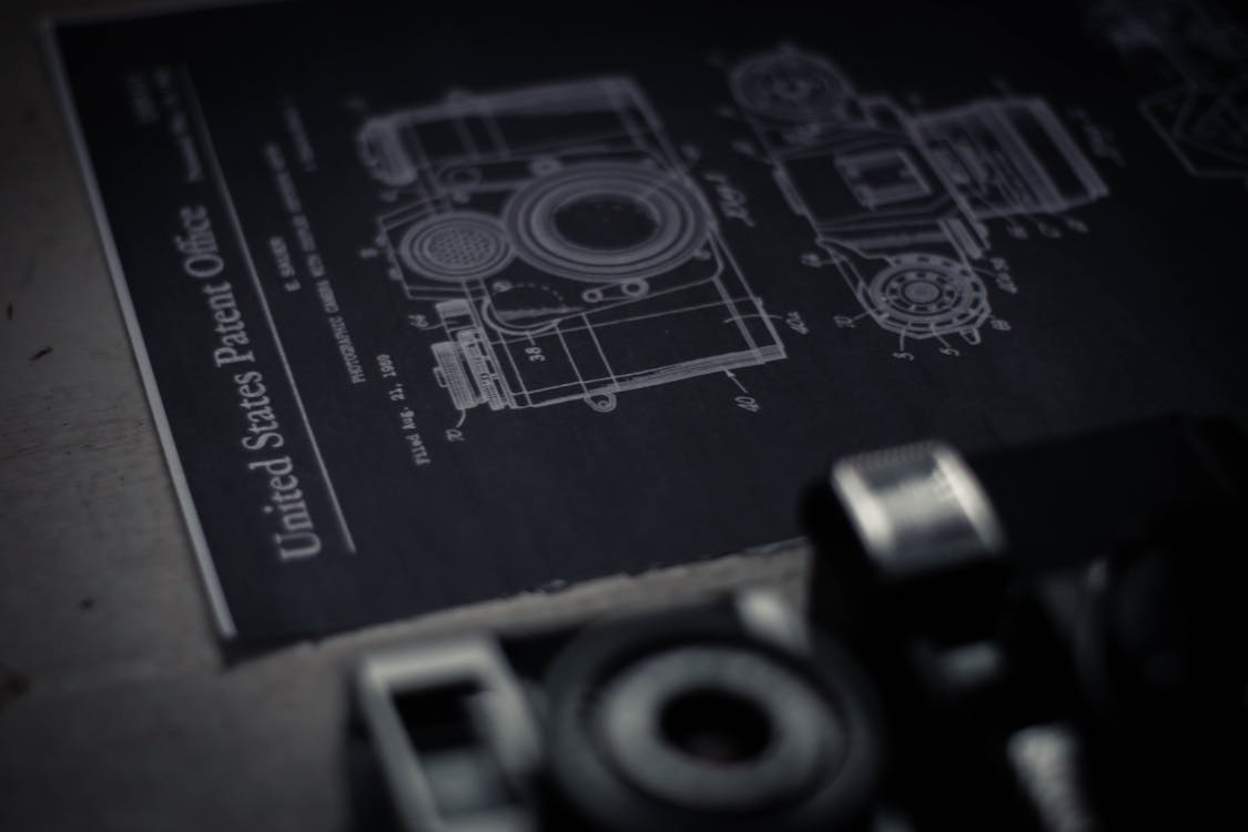
A product or process can be patented only if it is new, non-obvious, and useful, with clear claims that show how it works or is made.
Product Patent vs Process Patent: Key Differences
From Patent Filing to Product Launch: How Rabbit Product Design Bridges the Gap
At Rabbit Product Design, we know patents matter, but they don’t replace building, testing, and launching a real product. Too many inventors spend time and money on filings while never getting to market, which is where real value is created.
We take a different approach, guiding products from concept to commercialization with production-grade prototypes and a full development process. With Adam Tavin and a team behind 2,000+ prototypes, we prioritize getting products built, sold, and generating results.
Start Your Product Journey Today →
Frequently Asked Questions (FAQ)
What is the core difference between a product patent and a process patent?
A product patent protects the physical invention itself; its structure, composition, or components, regardless of how it was made. A process patent protects the specific method used to produce a result. A competitor could make the same product without infringing your process patent if they use a different method. But anyone who makes your patented product infringes your product patent, no matter how they created it.
Can I file both a product patent and a process patent for the same invention?
Yes. If you've created a new product and a novel manufacturing method, you can file separate patents covering each. The product patent prevents copying the item itself, while the process patent blocks others from using your production method. Pharmaceutical companies frequently use this dual-filing strategy to extend competitive advantages.
Why are process patents harder to enforce than product patents?
Process patent infringement typically happens inside a competitor's facility, where you have no visibility. Unlike product patents, where you can inspect the infringing item, proving someone used your exact method often requires evidence you can't easily access. Many inventors combine process patents with trade secret protections to strengthen enforcement.
How does Rabbit Product Design approach patents differently from other firms?
Rabbit Product Design views patent research as one tool within a larger commercialization strategy, not the destination. Our process is built around getting real products to market: feasibility, industrial design, engineering, production-ready prototyping with real materials, manufacturing setup, branding, and launch. Market share and brand equity are protections no competitor can easily take from you.
*Disclaimer: This content is for educational purposes only and not financial, legal, or business advice. Figures vary by circumstance. Consult qualified professionals before making decisions. For personalized guidance, contact Rabbit Product Design.