Patent vs Trade Secret: Differences & Examples Explained
Key Takeaways
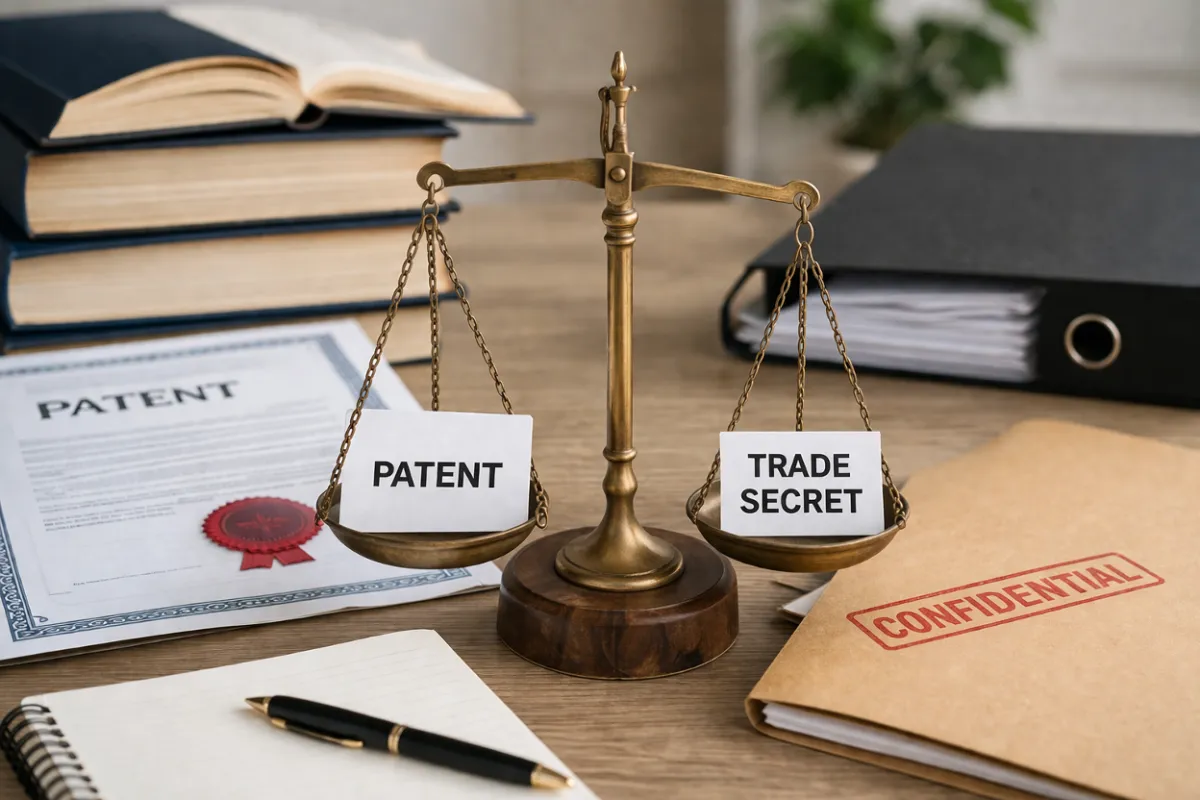
A patent and a trade secret differ in three fundamental ways: disclosure, duration, and enforcement. A patent grants exclusive legal rights for up to 20 years but requires full public disclosure of how the invention works. A trade secret requires no registration or government filing, lasts indefinitely, and ends permanently the moment the information becomes public or is reverse-engineered.
Real-world examples show how each protection plays out over time. Coca-Cola chose to protect its soft drink formula as a trade secret in 1886 rather than patenting it, a decision that has kept the recipe confidential for over 130 years. Apple takes the opposite approach, holding tens of thousands of active patents on hardware design and software architecture, including the design patents it used to win a landmark infringement case against Samsung.
Patents are best suited for innovations that are visible in the final product, that competitors could independently discover, and for businesses where IP portfolios drive fundraising or valuation. The tradeoffs are high cost, full public disclosure, and a protection window that eventually expires.
Trade secrets work best for internal processes, formulas, or operational know-how that can realistically be kept confidential long-term. The risk is that a single accidental disclosure, reverse engineering, or employee breach can eliminate protection entirely, with no legal mechanism to restore it.
At Rabbit Product Design, we help inventors build real, manufacturable products because a product worth selling is the foundation of any IP strategy worth having. Our team of senior engineers guides ideas from concept to commercialization through a 4-phase process covering feasibility, design, engineering, and launch.
What is the Main Difference Between a Patent and a Trade Secret?
The difference between a patent and a trade secret comes down to a single strategic choice: whether to make your invention public in exchange for formal legal protection, or keep it secret and protect it indefinitely through confidentiality alone.
A patent gives inventors exclusive legal rights for up to 20 years, enforceable in court, with a defined scope of protection that holds even if a competitor independently discovers the same invention. The price of that protection is full public disclosure. The moment your patent is published, competitors can study exactly how your invention works, design around it, and prepare to enter the market the day your protection expires.
A trade secret flips that model entirely. There is no registration, no government filing, and no expiration date. Protection lasts as long as the information stays out of public reach. A single leak, a reverse-engineered product, or an employee walking out the door with confidential knowledge can end that protection permanently, with no way to restore it.
For inventors building physical products, getting this decision right matters more than most realize. At Rabbit Product Design, we help inventors reach this decision backed by something most IP conversations skip entirely: a real, manufacturable product.
What Is a Patent?
A patent is a government-granted right that gives an inventor the exclusive ability to make, use, sell, and import their invention for a set period of time. In exchange, the inventor must publicly disclose how the invention works in enough detail that someone skilled in the relevant field could replicate it.
That tradeoff is the entire foundation of the patent system. It's designed to push innovation forward by making knowledge public, while still giving inventors a window to profit from their work.
The full details of your invention become public record the moment your patent is granted. Competitors can study exactly how it works. They can design around it, develop competing products that operate differently, and start preparing market entries timed to the moment your patent expires.
What Is a Trade Secret?
A trade secret is any commercially valuable information that derives its value precisely because it is not publicly known, and where the owner has taken reasonable steps to keep it that way.
There is no registration process, no government filing, and no public disclosure. Protection begins the moment you establish confidentiality practices and never expires as long as the secret is held.
Unlike patents, trade secrets don't require novelty in the legal sense, a formal application, or approval from any authority. What they require is that the information provides a competitive advantage and that you actively work to keep it confidential. The second you stop making reasonable efforts to protect that confidentiality, legal protection can evaporate entirely.
Patent vs Trade Secret: Side-by-Side Differences
When entrepreneurs ask which protection is better, the honest answer is that it depends entirely on the nature of the innovation and the business strategy behind it. Here's how the key differences break down.
Duration of Protection
A utility patent expires after 20 years from the filing date, at which point your invention is fully public and freely usable by anyone. A trade secret, by contrast, lasts indefinitely, as long as the information remains confidential and you keep protecting it.
The Coca-Cola formula is the most cited example of this in action. Had Coca-Cola patented the formula in the late 1800s, that patent would have expired well over a century ago. Instead, by maintaining it as a trade secret, the company has protected it for over 130 years and counting.
Disclosure Requirements
Patents require you to publicly disclose your invention in enough technical detail that a person skilled in the relevant field could reproduce it. This is the legal foundation of the patent grant. That disclosure becomes permanent and irrevocable the moment your application is published.
Trade secrets require the exact opposite. Disclosure, even accidental or partial, is the enemy. The entire protection framework is built on keeping information out of the public domain.

You are required to disclose your invention when you have a patent, but a trade secret helps you keep the information private.
Vulnerability to Reverse Engineering
A patent protects you even if a competitor could easily figure out how your invention works on their own. A trade secret offers zero protection against reverse engineering.
If someone legally obtains your product and works out how it's made, your trade secret is gone, and you have no legal claim against them. This makes the "reverse engineerability" of your innovation one of the most critical factors in deciding which protection to pursue.
Legal Enforcement Options
Patent enforcement is relatively straightforward in structure, if not in cost. You have a registered right, a clear expiration date, and a documented scope of protection defined by your patent claims.
If someone infringes, you can point to your patent number and file suit. The burden of proof is manageable because the right itself is formally defined.
Trade secret enforcement is more complex. You must prove that the information qualifies as a trade secret, that you took reasonable steps to protect it, and that the defendant misappropriated it through improper means.
Each element is contested ground. Without meticulous documentation of your protection practices, winning a trade secret case becomes significantly harder.
Real-World Examples of Patents vs Trade Secrets
Theory only goes so far. The clearest way to understand the patent vs trade secret decision is to look at companies that faced it directly and see what they chose and why those choices played out over time.
Example of a Trade Secret: The Coca-Cola Formula
Coca-Cola's recipe, whose secret flavoring component is internally known as 'Merchandise 7X,’ is arguably the most famous trade secret in history. When Dr. John Pemberton developed the formula in 1886, it was kept as a closely held secret rather than patented, and Asa Candler formally institutionalized that secrecy strategy after acquiring the rights in 1891.
A patent would have meant full public disclosure and a protection window that would have expired decades ago, leaving the formula free for any competitor to copy.
Instead, Coca-Cola built an entire protection infrastructure around the secret: limiting knowledge of the complete formula to a small number of executives, keeping the written recipe in a vault at SunTrust Bank in Atlanta for 86 years before relocating it to a secure vault at the World of Coca-Cola in 2011.
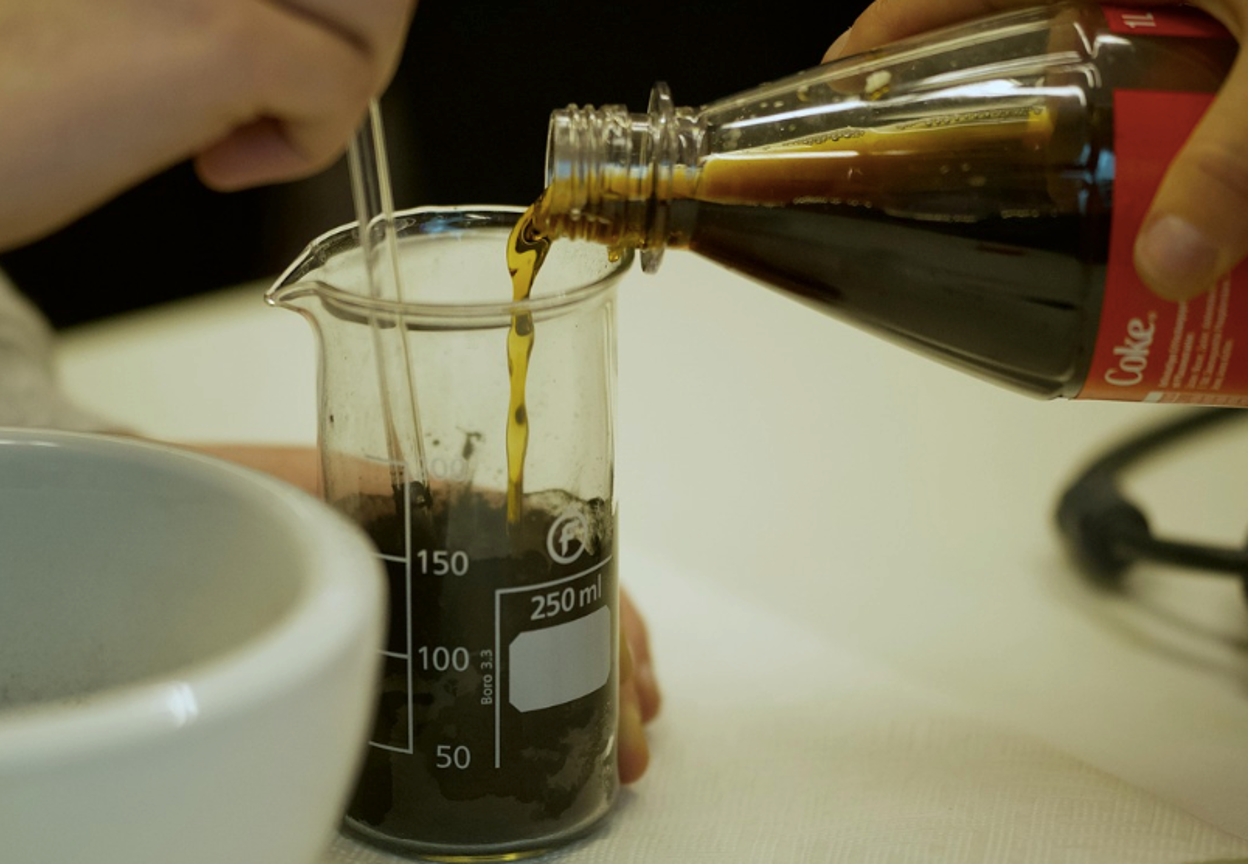
The Coca-Cola recipe is one of the most famous trade secrets.
Example of a Patent: Apple’s Patent Strategy
Apple's patent strategy is one of the most aggressive and sophisticated in the technology industry. The company holds tens of thousands of active patents covering everything from the physical design of its devices to the underlying software architecture that powers them.
Apple's design patents on the iPhone's rounded rectangular form factor were central to its landmark lawsuit against Samsung, which resulted in one of the largest patent infringement verdicts in U.S. history.
What makes Apple's approach instructive is how selectively the company combines patents with trade secrets. The hardware design gets patented. The manufacturing processes, supplier relationships, and proprietary assembly techniques remain protected as trade secrets.
This layered strategy means Apple gains the public-enforcement power of patents where visibility matters, while protecting the operational know-how that competitors would most benefit from understanding.
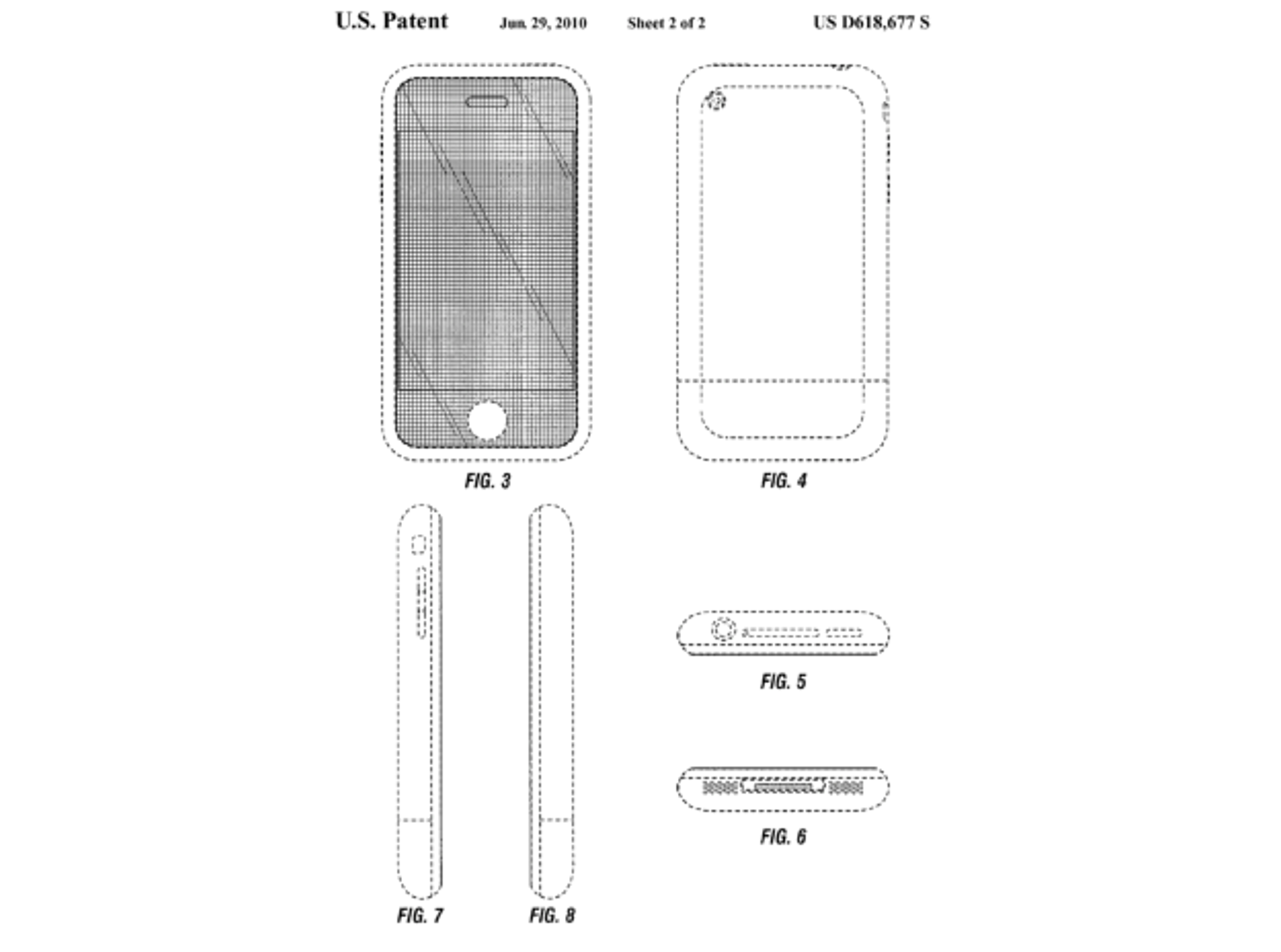
Apple uses patents to protect its hardware design (Image source: Research Gate).
Patent vs Trade Secret: Comparison Table
Why Building Your Product With Rabbit Product Design is The Smart Next Step
Most inventors focus on patents before they have a product worth protecting. At Rabbit Product Design, we believe the best IP strategy starts with a real, manufacturable product backed by a real business. Patents and trade secrets matter, but neither can save a product that was never built to ship in the first place.
We help inventors and entrepreneurs turn ideas into production-ready products through our proven 4-phase process covering feasibility, design, engineering, and launch. If you're ready to stop theorizing and start building, get in touch with us today and take the first step toward a product that actually ships.
Build a product worth protecting with Rabbit Product Design.
Frequently Asked Questions (FAQs)
Can the same invention be protected by both a patent and a trade secret?
No. Once you file a patent application, your invention enters the public record, first when the application is published, and fully when the patent is granted. That public disclosure permanently eliminates trade secret status.
However, some entrepreneurs try to get the best of both worlds by patenting some aspects of their innovation while keeping other components as trade secrets.
What happens if my trade secret gets leaked?
If the disclosure resulted from theft, hacking, a breach of an NDA, or any form of improper conduct, you have legal recourse under the federal Defend Trade Secrets Act and applicable state laws.
Remedies can include emergency injunctions to prevent further disclosure, actual damages, and unjust enrichment.
Is a patent always stronger than a trade secret?
Not at all. Patents are stronger in specific circumstances: when your innovation is visible in the final product or when you're in a space where patent portfolios drive fundraising and valuation.
But trade secrets are stronger when your innovation is a process or formula that isn't visible in the finished product, when you can realistically maintain confidentiality long-term, and when you want protection that doesn't expire after 20 years.
What is the biggest risk of relying on a trade secret?
The single biggest risk is the complete and permanent loss of protection due to a single point of failure or an accidental disclosure during a pitch meeting.
Unlike a patent, which remains valid even if the underlying technology becomes widely understood, a trade secret ceases to exist the moment the information becomes public. There is no legal mechanism to restore it.
How does Rabbit Product Design help inventors understand patents and trade secrets?
At Rabbit Product Design, we help inventors make smarter IP decisions by grounding every protection strategy in real product development.
We support patent research as part of the broader strategy that takes your concept through feasibility, design, engineering, and launch, ensuring the product behind your IP is built to succeed in the market.
*Disclaimer: This content is for educational purposes only and not financial, legal, or business advice. Figures vary by circumstance. Consult qualified professionals before making decisions. For personalized guidance, contact Rabbit Product Design.