DFX vs DFM in Manufacturing: Meaning, Differences & Examples
Key Takeaways
DFX (Design for Excellence) is a comprehensive approach that encompasses multiple design methodologies, including DFM, while DFM (Design for Manufacturing) specifically focuses on optimizing a product for production.
While DFM primarily addresses manufacturing feasibility, DFX extends to include serviceability, testability, and end-of-life considerations that impact overall product success.
Companies that employ both DFX and DFM strategies experience fewer manufacturing defects and achieve higher production yields.
Rabbit Product Design integrates DFM and DFX principles from the earliest stages of development, building prototypes with production materials and methods to validate manufacturability before tooling investment begins.
DFX vs DFM: What They Actually Mean in Modern Manufacturing
In the manufacturing world, DFX and DFM are among the most impactful frameworks guiding how products move from design to production. While related, they serve different purposes and operate at different levels of scope within the product development process.
DFX: Design for Excellence Umbrella Concept
Design for Excellence (DFX) represents a comprehensive approach to product development in which "X" serves as a variable representing the objectives critical to a product's overall success.
Rather than focusing solely on functionality, DFX considers the entire product lifecycle from conception through disposal. This holistic methodology ensures that products are not only functional but also optimized for various downstream processes, including manufacturing, assembly, testing, serviceability, and environmental impact.
DFX emerged from the recognition that design decisions impact far more than just product performance. A well-designed product that's impossible to manufacture efficiently or too expensive to service provides little real-world value. By adopting DFX principles, companies establish a framework for balancing competing priorities across different stages of the product lifecycle.
DFM: Design for Manufacturing Specific Focus
Design for Manufacturing (DFM), also called Design for Manufacturability, is a specific subset of the broader DFX approach. DFM focuses exclusively on optimizing a product's design to facilitate efficient manufacturing.
This methodology evaluates design choices through the lens of manufacturing processes, capabilities, and constraints to ensure products are produced consistently, cost-effectively, and at high quality.
DFM addresses manufacturing realities by providing guidelines that help engineers create designs compatible with available production processes. This involves considerations like minimizing part counts, standardizing components, simplifying assembly, and ensuring that geometric features align with manufacturing capabilities.
Why These Approaches Matter for Production Efficiency
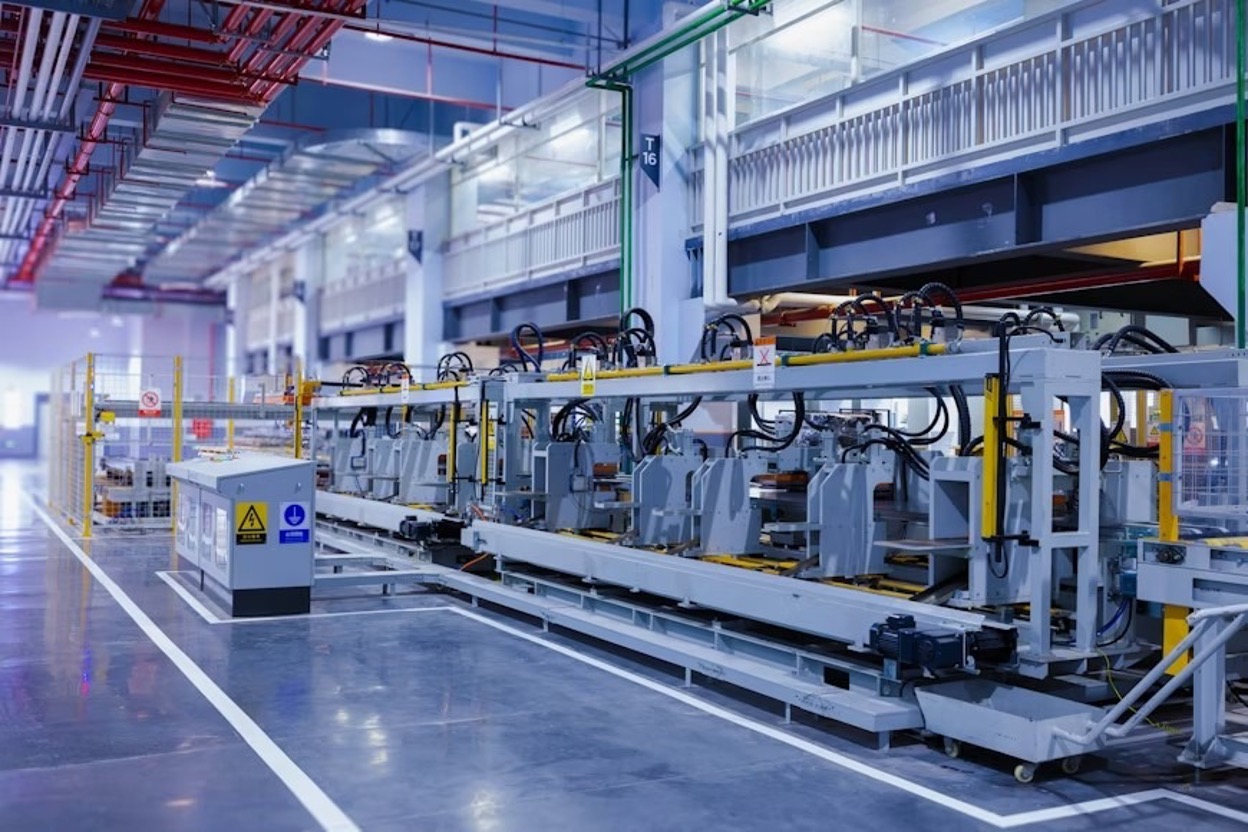
The strategic implementation of DFX and DFM methodologies delivers measurable benefits that directly impact a manufacturer's bottom line. Studies consistently show that 70%–80% of a product's manufacturing costs are determined during the design phase, making these design-focused approaches particularly powerful.
Companies that successfully integrate these methodologies typically see dramatic improvements in first-pass yields, reduced rework, faster production ramp-up, and lower overall production costs.
The DFX Framework: A Holistic Manufacturing Design Approach
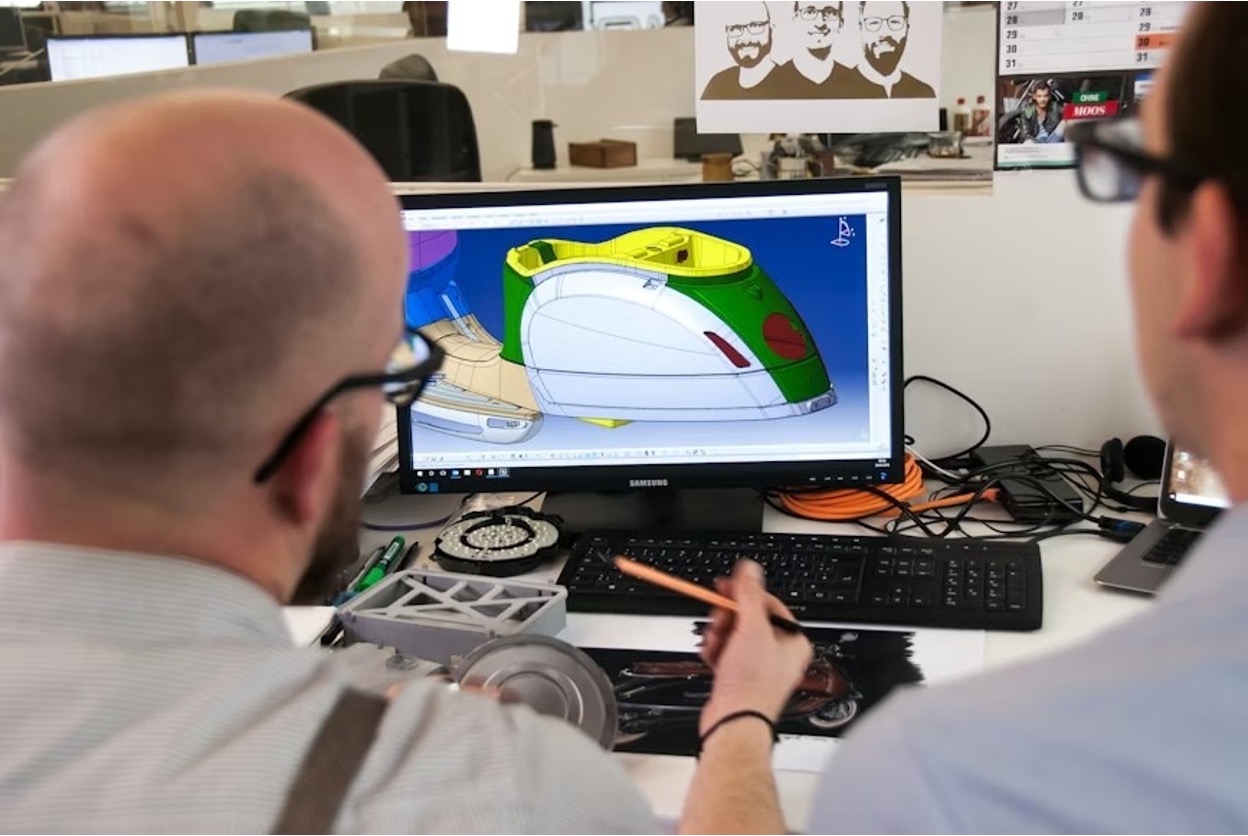
The Design for Excellence (DFX) framework transcends traditional design methodologies by providing a comprehensive system that considers the entire product lifecycle.
Core Principles of Design for Excellence
At its foundation, DFX operates on several key principles that guide the design process toward optimal outcomes.
The first principle is early integration, bringing manufacturing, quality, and service perspectives into the design process from the beginning rather than treating them as afterthoughts. This front-loading of considerations prevents costly redesigns and accelerates time-to-market by addressing potential issues when changes are least expensive to implement.
Another core principle is systems thinking, which recognizes that optimization at one stage cannot come at the expense of another. For instance, a design change that reduces manufacturing costs but drastically increases service complexity might represent a poor trade-off over the product's lifetime.
Continuous improvement forms the third foundational principle of DFX. The framework incorporates feedback loops that capture lessons learned from each product generation and production run, creating an evolving knowledge base that informs future designs. This institutional knowledge becomes increasingly valuable over time, allowing companies to avoid repeating mistakes and to build upon successful strategies.
The "X" Factor: What It Represents in Manufacturing
The versatility of DFX lies in the variable "X," which can represent different objectives depending on a product's or a company's specific needs. This flexibility allows manufacturing organizations to adapt the framework to their particular challenges while maintaining a consistent approach to design optimization.
In modern manufacturing contexts, the "X" typically represents objectives such as manufacturability (DFM), assembly (DFA), testability (DFT), serviceability (DFS), reliability (DFR), sustainability (DFE for environment), and cost (DFC).
Each of these specializations comes with its own set of guidelines, best practices, and evaluation metrics that help engineering teams optimize their designs for specific downstream processes. The power of the DFX approach comes from integrating these considerations within a common framework rather than treating them as separate initiatives.
Real-World Example of DFX Implementation
Apple's product development process exemplifies DFX principles in action. Their approach to designing the MacBook and MacBook Pro included simultaneous optimization for manufacturing, assembly, structural performance, and environmental impact, while deliberately trading off serviceability.
By machining the laptop chassis from a single aluminum block, Apple reduced parts count (the MacBook shed nearly 50% of its parts, and the MacBook Pro shed 65%), simplified assembly, improved structural integrity, and enhanced recyclability, addressing multiple "X" factors through a single design decision.
Notably, the unibody design also illustrates a key DFX tradeoff: while it excelled in Design for Manufacturing (DFM), Design for Assembly (DFA), and Design for Environment (DFE), it came at the expense of Design for Serviceability. Batteries became non-user-replaceable, RAM was eventually soldered to the logic board, and internal components grew increasingly difficult to access.
This is a telling reminder that optimizing for all "X" factors simultaneously is rarely possible, and that DFX decisions often involve conscious tradeoffs aligned with broader business strategy.
The DFM Framework: Optimizing Product Design for Manufacturing
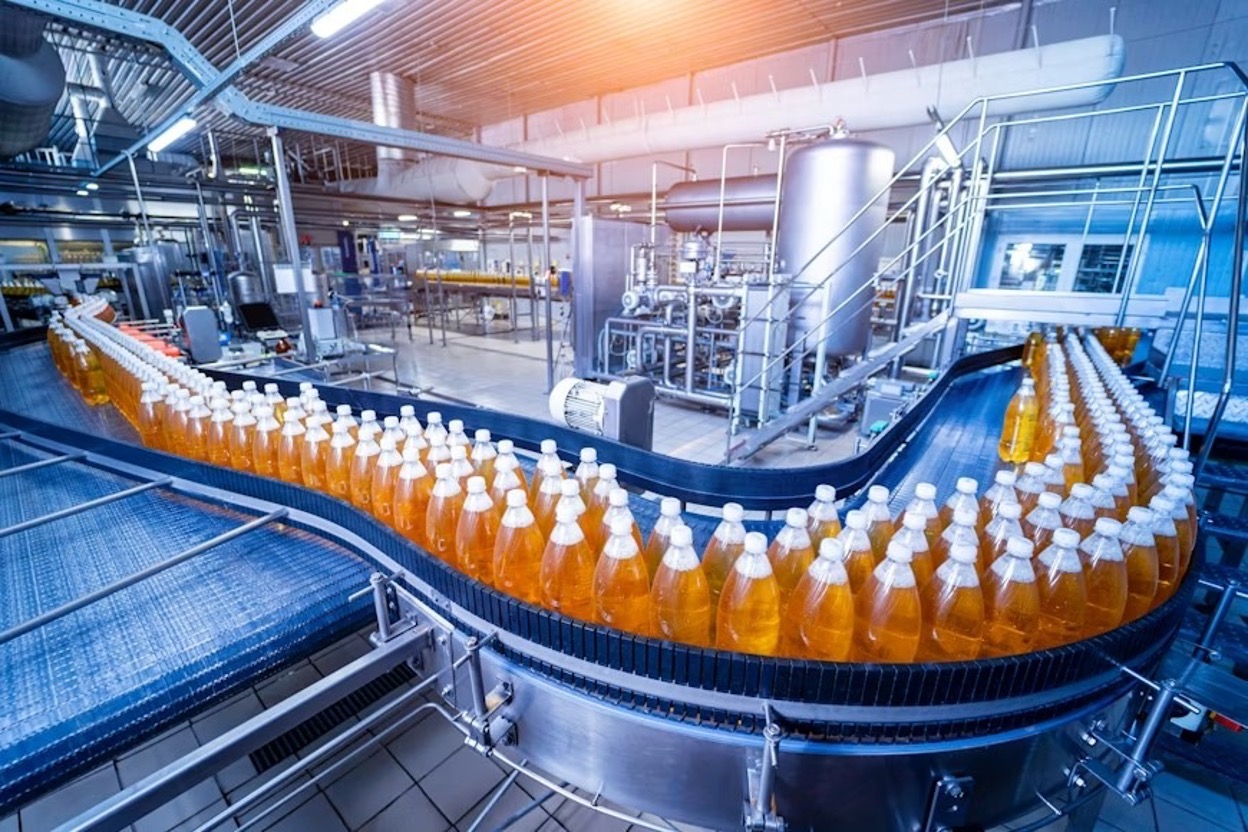
Design for Manufacturing focuses specifically on creating products that can be efficiently produced using available manufacturing processes.
Fundamental Goals of Design for Manufacturability
The primary goal of DFM is to create designs that align with manufacturing capabilities while meeting product requirements. This alignment eliminates the common disconnect between engineering intent and production reality that plagues many product launches.
Standardization represents another fundamental DFM goal, reducing the variety of components, materials, and processes required to manufacture a product. By using common parts across product lines, manufacturers benefit from economies of scale, simplified inventory management, and increased production flexibility.
Error-proofing (poka-yoke) stands as another critical DFM objective that prevents manufacturing defects through design. This includes features that physically prevent incorrect assembly, clear visual indicators that guide proper installation, and standardized connections that eliminate confusion.
Ultimately, successful DFM implementation creates a virtuous cycle of continuous improvement. As designs become more manufacturing-friendly, production teams spend less time troubleshooting problems and more time identifying opportunities for further optimization.
Real-World Example of DFM Implementation
Tesla's Model Y demonstrates Design for Manufacturing (DFM) principles at scale. The Model 3's rear underbody required roughly 70 separate stamped and welded parts. This demands extensive robotic welding, complex fixturing, and significant floor space.
For the Model Y, Tesla introduced "gigacasting": massive high-pressure die-casting machines (6,000–9,000 metric tons of clamping force) that produce the entire rear underbody as a single aluminum piece. Across the full underbody, two gigacast pieces replaced 171 parts, eliminated 1,600 welds, and removed 300 robots from the line.
The results were significant: a 40% reduction in rear floor assembly costs, over 10% weight savings, and a production time of roughly 10 hours per vehicle, which is about three times faster than competitors' EVs. This required Tesla's materials team to develop a proprietary aluminum alloy that achieves high strength without heat treatment, solving the problem of large castings warping during conventional processing.
As with any DFM decision, tradeoffs exist. Gigacasting demands enormous capital expenditure, and early collision repairs required full section replacement. Repair methods have since matured, and Toyota, Volvo, and Hyundai are now exploring gigacasting for their own platforms, signaling an emerging industry standard.
When to Apply DFX vs DFM in Manufacturing
Choosing between a focused DFM approach and a broader DFX framework depends on several factors, including product complexity, production volume, and lifecycle requirements.
Products with simple architectures and short market lives might benefit most from targeted DFM implementation, focusing resources on manufacturing optimization without extensive investment in other lifecycle considerations. Conversely, complex products with long service lives, maintenance requirements, or regulatory compliance needs generally warrant the comprehensive DFX approach to prevent costly downstream issues.
The production environment also influences this decision. For products manufactured in-house where processes are well-understood and controlled, DFM might provide sufficient optimization. Products destined for contract manufacturing or global production across multiple facilities often require the broader DFX approach to ensure consistency and account for varying capabilities across manufacturing locations.
DFX vs DFM in Manufacturing: Comparison Table
How Rabbit Product Design Builds DFX & DFM Into Every Stage of Development
At Rabbit Product Design, DFM and broader DFX thinking are woven into our structured development process from day one. Our team of senior engineers (averaging 27+ years of experience) evaluates manufacturing feasibility during concept development, not after detailed design is already locked in.
Every decision around materials, geometry, tolerances, and assembly is made with production realities in mind. We build prototypes using production materials and methods so clients see how their product will actually perform in manufacturing, not just in a lab.
Our process covers feasibility, concept development, industrial design, engineering, production-ready prototyping, manufacturing setup, branding, and launch planning. Whether you're a startup building your first product or a company scaling an existing one, we make sure your design is optimized for the factory floor before you ever commit to tooling.
Schedule a free consultation to get started today.
Frequently Asked Questions (FAQs)
What is the main difference between DFX and DFM?
DFX is a broad framework that considers the entire product lifecycle, including manufacturing, assembly, testing, serviceability, and environmental impact. DFM is one component within DFX that focuses specifically on optimizing a product's design for efficient, reliable production.
Think of DFX as the strategic umbrella and DFM as the manufacturing-specific discipline underneath it.
When should DFM be introduced in the product development process?
DFM should start during the concept phase, before detailed CAD work begins. Research consistently shows that the majority of manufacturing costs (often cited between 70% and 80%) are determined by choices made in the earliest design stages.
Waiting until prototyping or tooling to address manufacturability typically results in higher costs and significant launch delays compared to integrating DFM from the start.
Can startups and small manufacturers benefit from DFX and DFM?
Yes. Smaller teams often have an advantage because communication between design and production is more direct.
Even basic DFM implementation, such as reducing part counts, standardizing components, and designing for available processes, can cut manufacturing costs. The key is scaling the approach to match your resources and focusing first on the issues that impact production the most.
How does Rabbit Product Design apply DFX and DFM principles?
Rabbit Product Design embeds DFM and DFX thinking into every stage of its structured development process. Our senior engineering team evaluates manufacturing feasibility starting at the concept phase, and all prototypes are built using production materials and methods.
This ensures that designs are validated against real manufacturing constraints, not theoretical ones, before any tooling investment is made.
*Disclaimer: This content is for educational purposes only and not financial, legal, or business advice. Figures vary by circumstance. Consult qualified professionals before making decisions. For personalized guidance,contact Rabbit Product Design.