
Product Feasibility Analysis Template: Examples & PDFs
Key Takeaways
A product feasibility analysis template gives you a structured way to evaluate whether a product idea is worth pursuing before you spend a single dollar building it.
There are five core components every solid feasibility template must cover: market demand, technical capability, financial viability, operational capacity, and legal compliance.
Most product ideas fail not because of bad execution, but because the foundational research was skipped; a feasibility analysis fixes that.
The right product feasibility analysis template format depends on your product type: physical products require supply chain and manufacturing assessments, while digital products lean heavily on technical and scalability checks.
At Rabbit Product Design, feasibility is the starting line, not the finish line. We take your product development process from feasibility study through concept development, industrial design, engineering, production-ready prototyping, manufacturing setup, branding, and launch planning.
What a Product Feasibility Analysis Template Actually Does
A product feasibility analysis template is a structured document that walks you through a systematic evaluation of a product idea across five critical dimensions: market, technical, financial, operational, and legal.
It isn't a business plan; it's what comes before one. The goal is to collect enough information to make a confident go-or-no-go decision without over-committing resources to something that hasn't been validated yet.
Think of it as a pre-flight checklist. Before a pilot takes off, they don't just assume the plane is ready; they run through a specific sequence of checks. A feasibility template works the same way. It forces you to ask the uncomfortable questions early, when course corrections are cheap, rather than after you've already invested time, capital, and momentum.
The 5 Core Components Every Product Feasibility Analysis Template Needs
1. Market Feasibility: Is There a Real Demand?
Market feasibility is the foundation of the entire analysis. It determines whether real people with real purchasing power actually want what you're planning to build. This section of your template should go well beyond gut instinct; it requires data.
Your market feasibility section should address the total addressable market (TAM), the serviceable available market (SAM), and your realistic target segment. You also need to evaluate current competitors, identify market trends, and understand your target customer's purchasing behavior.
The goal isn't to find a market with zero competition, it's to find one where you can carve out a defensible position.
2. Technical Feasibility: Can You Actually Build It?
Technical feasibility answers whether you have, or can realistically acquire, the technology, tools, infrastructure, and talent required to build the product. For a physical product, this includes manufacturing processes, materials sourcing, and production scalability.
For a digital product, it means evaluating your tech stack, development timeline, integration requirements, and whether your team has the specific skills the build demands. This section should be brutally honest: overstating technical capability at the feasibility stage is one of the most common reasons projects run over budget and timeline.
3. Financial Feasibility: Do the Numbers Work?
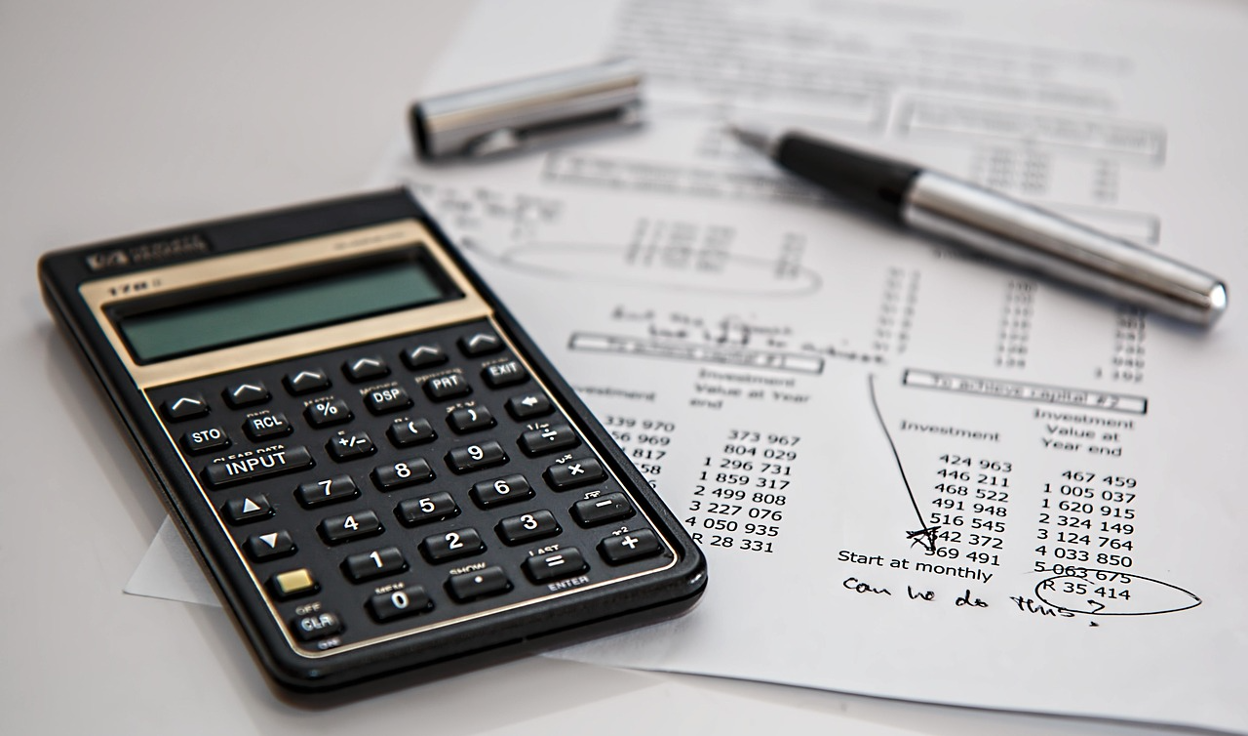
This is where many ideas meet their end, and rightfully so. A financial feasibility analysis template should include a cost breakdown, a projected revenue model, a break-even analysis, and funding requirements.
Financial feasibility assesses whether a product can generate sufficient revenue to justify the investment. The template should include:
Startup and development costs: What does it cost to build the product from zero to launch-ready?
Cost of goods sold (COGS): What does it cost to produce or deliver each unit?
Pricing strategy: What will customers pay, and how does that compare to your cost structure?
Revenue projections: What are realistic Year 1, Year 2, and Year 3 revenue scenarios?
Break-even point: How many units or subscribers do you need for the product to become profitable?
Funding requirements: Do you need external capital? If so, how much and from where?
A common mistake here is using best-case revenue projections while using worst-case cost estimates, or vice versa. Build three scenarios: conservative, realistic, and optimistic. Your financial feasibility assessment should still make sense in the conservative case. If the numbers only work under perfect conditions, that's not a feasible product; it's a hope.
4. Operational Feasibility: Does Your Team Have the Capacity?
Operational feasibility is often the most overlooked section, especially in early-stage companies. It evaluates whether your organization has the people, processes, systems, and management bandwidth to actually deliver the product, build it, support it, scale it, and sustain it.
A product that requires capabilities your team doesn't have isn't necessarily a dead end, but your template should clearly identify those gaps and outline a realistic plan to fill them, whether through hiring, training, or partnerships.
5. Legal & Regulatory Feasibility: Are There Any Roadblocks?
Legal feasibility is the section that can kill an otherwise great product idea, and it's far better to discover a regulatory blocker in a template than after you've invested in production.
This component covers intellectual property considerations, industry-specific regulations, licensing requirements, data privacy laws (especially relevant for digital products handling user data), and any compliance standards your product must meet before it can legally be sold.
For physical products, this might include safety certifications like UL or CE marking. For food and health products, FDA approval pathways need to be clearly mapped out.
Practical Product Feasibility Analysis Example
The best way to understand how a feasibility analysis works in practice is to walk through one. The scenario below is entirely fictional; we created it to show you what a completed analysis looks like and how each section feeds into a final recommendation.
The company, product, and numbers are all made up, but the structure and thinking behind each section reflect exactly how a real feasibility analysis should work.
The Scenario
A small startup wants to launch a reusable silicone food storage container aimed at environmentally conscious households in the U.S. Before investing in production, they run a feasibility analysis across all five components to decide whether the idea is worth pursuing.
What Their Analysis Found
Recommendation: Proceed with conditions; secure $180,000 in seed funding and finalize the logistics.
This type of table-based summary is often the most useful deliverable from an entire feasibility study. It compresses weeks of research into a format that a board member, investor, or co-founder can absorb in two minutes, while the detailed sections behind each row provide the full evidence base for anyone who wants to go deeper.
Where to Find Product Feasibility Analysis Templates & PDFs

There are several high-quality, free feasibility analysis templates worth using, but the right one depends on how you work and what your product type demands.
Free Downloadable PDF Templates Worth Using
If you need a formal, print-ready document for investor presentations or stakeholder submissions, PDF-format feasibility templates are your best option.
Template.net offers a structured feasibility report PDF that includes sections for executive summary, market analysis, financial projections, and risk assessment; it's polished enough to hand directly to a lender or board member.
ProjectManager.com is another strong free option, available as a downloadable Word document that converts cleanly to PDF, with built-in financial tables and a clear section structure covering market, technical, financial, operational, and legal feasibility.
For product managers specifically, the LogRocket feasibility study template (available as a Google Doc that exports to PDF) is purpose-built for product evaluation rather than general business project assessment.
How Rabbit Product Design Turns Feasibility Into Real Products
We build products that are manufactured, sold, and generate real revenue, not 3D-printed prototypes or patent-driven strategies.
At Rabbit Product Design, feasibility analysis isn’t just a checklist; it’s the starting point for building real products. It helps identify whether your idea is worth pursuing and what it takes to move forward.
We turn feasibility into execution through a structured process covering design, engineering, production-ready prototyping, manufacturing, and launch. We focus on building products that can be made and sold.
Turn your feasibility into a real product today.
Frequently Asked Questions (FAQs)
What is the difference between a product feasibility analysis and a business plan?
A feasibility analysis asks whether you should build a product. A business plan asks how you will build and grow it. The feasibility study comes first, designed to surface reasons not to proceed just as much as reasons to move forward. Writing a business plan without completing a feasibility analysis first means building a roadmap to a destination you haven't confirmed is worth reaching.
How long does it take to complete a product feasibility analysis?
Most product ideas require one to three weeks. Simple line extensions can be done in five to seven business days, while complex products entering regulated markets can take three to four weeks. The biggest time variable is primary research, customer interviews, and supplier quotes. Set firm deadlines for each section to prevent the process from becoming an endless research project.
Can a solo inventor or a small business effectively use a feasibility analysis template?
Yes, and for solo inventors, it's arguably more critical than for well-funded teams. A large company can absorb a failed launch; a solo founder typically cannot. Free tools such as Google Trends, Google Patents, and direct customer conversations can replace expensive research platforms. Set a firm two-week deadline and accept that directionally correct findings completed on time beat a perfect analysis that never gets finished.
Does Rabbit Product Design conduct product feasibility evaluations for new clients?
Yes. Feasibility evaluation is built into the front end of Rabbit Product Design's development process. Before any design, engineering, or prototyping begins, our team assesses whether the concept is technically buildable, commercially viable, and manufacturable at a sustainable price point. Clients who enter at the feasibility stage leave with a clear picture of what it actually requires to bring their product to market.
*Disclaimer: This content is for educational purposes only and not financial, legal, or business advice. Figures vary by circumstance. Consult qualified professionals before making decisions. For personalized guidance, contact Rabbit Product Design.