Prototype Testing vs Usability Testing: Differences, Examples & Use Cases
Key Takeaways
Prototype testing evaluates early design concepts and validates ideas before full development, saving costs compared to post-launch fixes.
Usability testing examines how real users interact with refined products and identifies friction points in actual user flows.
The timing differs significantly: prototype testing occurs during early ideation, while usability testing occurs with nearly complete products.
Combining both testing methodologies creates a comprehensive UX research approach that significantly reduces the risk of product failure.
Rabbit Product Design builds production-ready prototypes for accurate testing. We use actual production materials, ensuring test results reflect real-world constraints and translate directly into products that can be manufactured and sold.
Prototype Testing vs Usability Testing: The Major Differences
Prototype testing and usability testing serve different purposes in the product development lifecycle. The fundamental differences lie in their timing, objectives, and the tests being conducted.
Prototype testing happens early in the development cycle with incomplete versions of your product. The goal is to validate concepts, gather feedback on design directions, and identify major usability issues before investing in full development. This approach follows the "fail fast" philosophy, testing ideas cheaply before committing significant resources.
Usability testing, on the other hand, typically occurs later in the process with more complete versions of your product. It evaluates how real users interact with your product to accomplish specific tasks, measuring metrics like completion rates, time on task, error rates, and satisfaction.
Both tests are crucial in the product development process, and mixing or skipping either can cause significant damage. Let's go into detail about what these testing approaches entail.
Prototype Testing: Getting Early Feedback on Your Idea
Prototype testing is all about validating ideas before investing significant resources in development. This approach aligns perfectly with the lean methodology of building just enough to test a hypothesis.
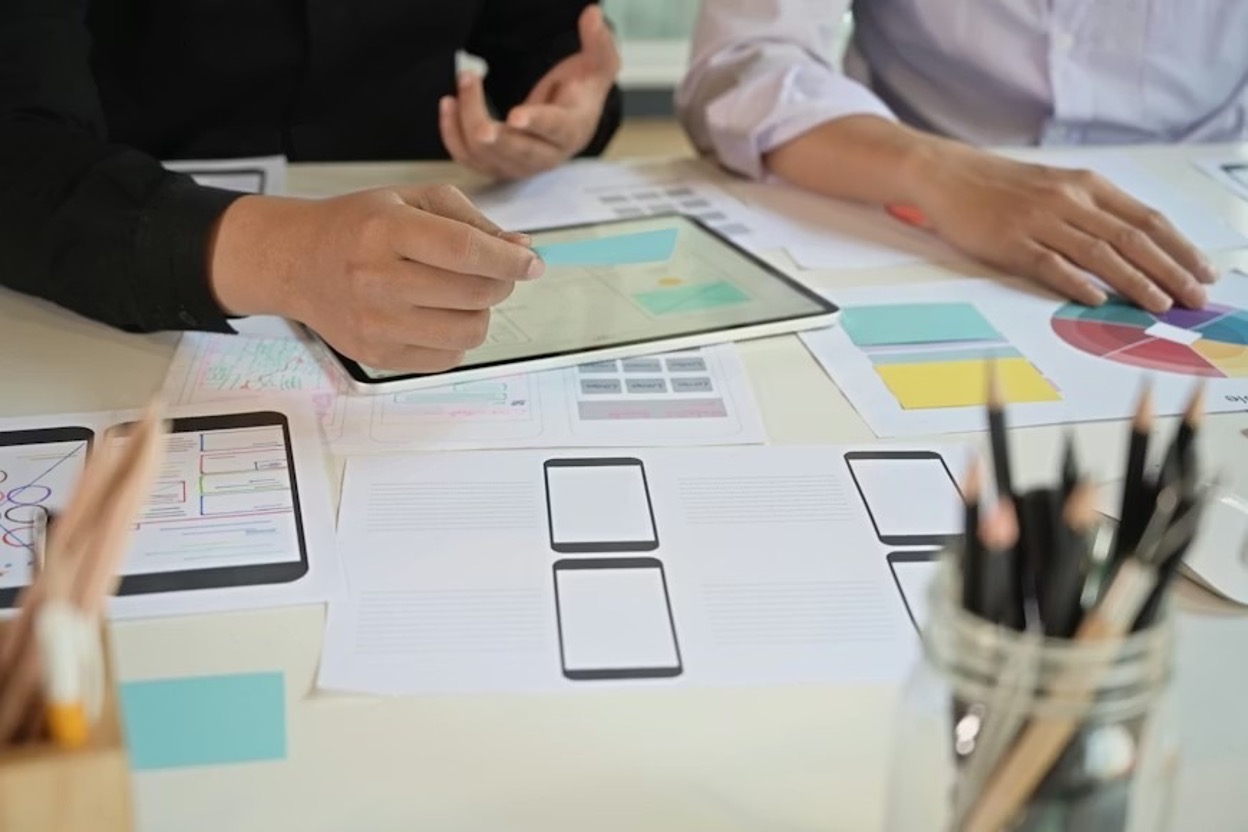
Prototype testing helps you validate ideas early so you only build what’s needed to confirm your hypothesis.
What Is Prototype Testing?
Prototype testing is a research method where designers present early, unfinished versions of a product to potential users for feedback. These prototypes range from simple paper sketches to interactive digital mockups; none represents the final product, but all can communicate core ideas.
The process typically involves showing users a prototype and asking them to react, interact, or complete basic tasks while observers note their responses. What makes this approach powerful is its low cost relative to its impact. A paper prototype costs almost nothing to create but can reveal fundamental flaws in your thinking.
By testing early and often with rough representations, teams avoid the expensive mistake of building polished products that miss the mark entirely.
What Makes Prototype Testing Different
Prototype testing differs from other testing methodologies in that it focuses primarily on concept validation rather than refinement.
Unlike usability testing, which aims to optimize an established design, prototype testing helps determine if the fundamental approach is sound. It answers crucial questions like: "Does this solution address the user's problem?" and "Is this feature worth building at all?"
In prototype testing, users understand they're evaluating an incomplete product, which encourages more candid feedback on the concept itself rather than on implementation details.
Prototype testing also typically involves more qualitative feedback and discussion. Rather than measuring task completion metrics, you often ask open-ended questions and observe reactions to concepts.
Use Cases of Prototype Testing
The ideal time to conduct prototype testing is during the early ideation and design phases, before significant development resources have been committed. This timing allows teams to explore multiple directions and make substantive changes based on feedback.
For maximum effectiveness, integrate prototype testing immediately after creating your first design concepts, but before finalizing development specifications.
Many successful teams conduct prototype testing at regular intervals throughout the design process, starting with paper prototypes or simple wireframes and progressing to higher-fidelity versions as concepts solidify.
This iterative approach creates multiple opportunities to correct courses and refine ideas based on user feedback. For complex products, consider testing with different user segments to ensure your design works for all target audiences.
Prototype Testing Example: How Dropbox Used Prototype Testing to Validate Their Concept
Before building their actual product, Dropbox created a simple 3-minute video prototype demonstrating how their file-syncing service would work. This video prototype helped them validate market interest without building the complex technology required for the actual product.
The video generated thousands of signups to their waitlist, confirming that the concept addressed a real need before they invested in full development.
Usability Testing: Evaluating How People Use Your Product
Usability testing shifts the focus from validating your initial idea to evaluating how well the product actually works. While prototype testing asks "should we build this?", usability testing digs deeper by asking "have we built this right, and can users navigate it effectively?"
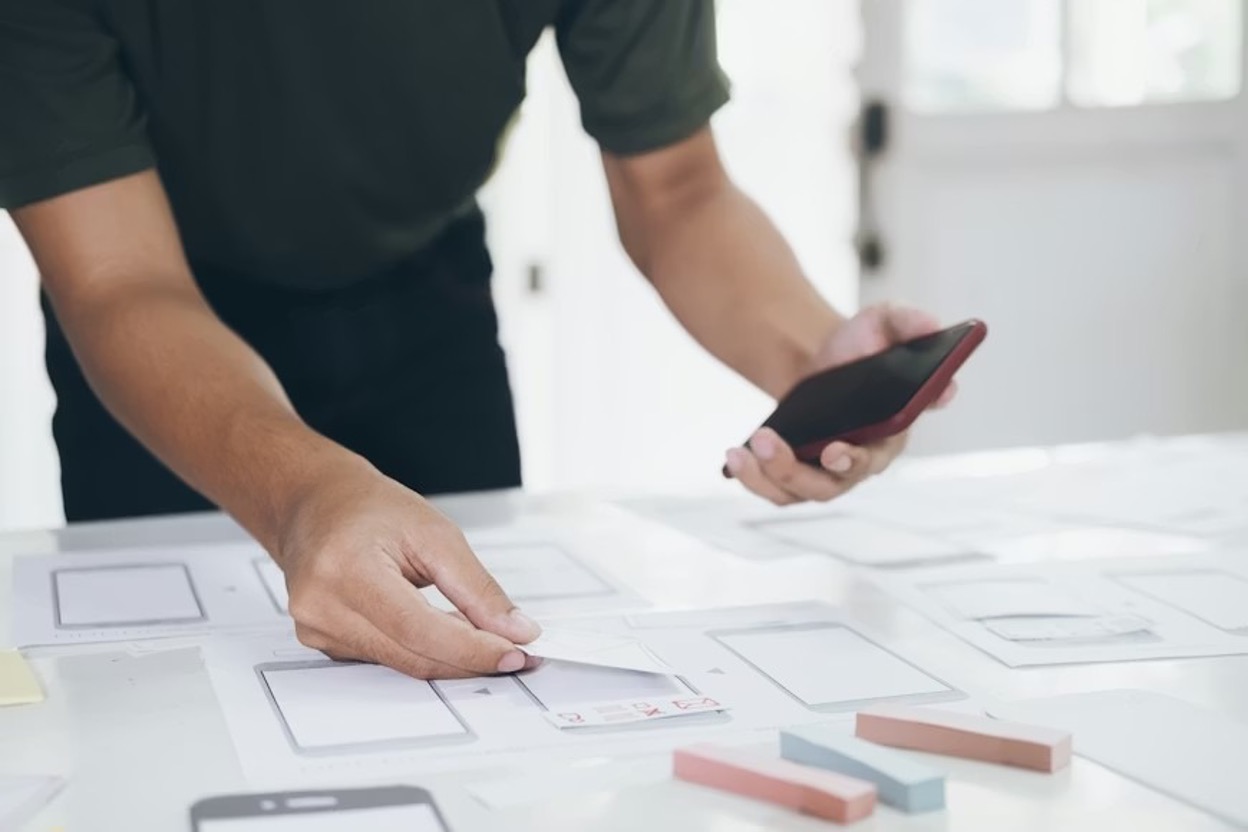
Usability testing evaluates how well a product works in practice, moving from “should we build this?” to “did we build it correctly?”
What Is Usability Testing?
Usability testing systematically observes real users as they complete specific tasks with your product to identify obstacles, confusion points, and opportunities for improvement. The goal is to ensure your product not only solves the right problem but does so in a way that's intuitive and satisfying.
Unlike prototype testing, usability testing typically requires higher-fidelity representations of your product. The interface should be functional enough for users to complete realistic tasks without excessive guidance or imagination.
This doesn't necessarily mean a fully built product; modern prototyping tools can create highly realistic simulations, but the experience should closely mirror the intended final product.
Core Elements of Usability Testing
Effective usability testing revolves around five core elements: representative users, realistic tasks, minimal intervention, systematic observation, and actionable analysis.
You need participants who match your target audience demographics and experience levels. Tasks should reflect actual usage scenarios without being overly prescriptive about how to accomplish them. During testing, facilitators should remain neutral and avoid leading participants or suggesting solutions.
Systematic observation includes recording sessions, taking structured notes, and collecting consistent metrics across participants. Finally, analysis should focus on identifying patterns across users and prioritizing issues based on frequency, severity, and business impact.
Use Cases of Usability Testing
Usability testing delivers maximum value when conducted with functional products or high-fidelity prototypes that allow users to complete realistic tasks. The ideal timing is after core functionality is implemented but before full release, when there's still flexibility to address any issues that arise.
This typically occurs during the beta phase or just before moving from development to production. However, many organizations now implement continuous usability testing throughout the product lifecycle, with regular testing cadences that enable ongoing optimization rather than single pre-launch evaluations.
For established products, usability testing becomes particularly valuable before major redesigns, when implementing new features, or when analytics reveal user drop-offs or conversion problems at specific points in the journey.
These moments of change or concern represent high-leverage opportunities where usability insights can directly impact business outcomes.
Example: Airbnb's Usability Testing Approach That Improved Bookings
Airbnb discovered that users were abandoning bookings because they couldn't easily see the total cost, including cleaning fees and service charges. They observed users manually calculating costs and expressing frustration about "hidden fees."
After implementing a redesigned pricing display that showed total costs up front, Airbnb saw a significant increase in booking completions and improved user satisfaction scores.
This improvement came not from changing their fee structure, but simply from making existing costs more transparent. It is an insight they gained exclusively by observing real users interact with their booking flow during structured usability tests.
Prototype Testing vs Usability Testing: Comparison Table
How Rabbit Product Design Integrates Testing Into Real Product Development
Understanding the difference between prototype testing and usability testing is essential, but applying that knowledge within a structured development process is what actually gets products to market. At Rabbit Product Design, we integrate testing methodologies into our end-to-end product development framework, from feasibility through manufacturing and launch.
Prototype testing validates concepts early, before significant resources are committed. Usability testing refines the experience before release. Both serve critical roles, but neither matters if your prototype doesn't reflect real manufacturing constraints. That's why we build production-ready prototypes using actual manufacturing materials, not 3D prints that hide issues and create false confidence.
At Rabbit Product Design, the goal isn't just to test, it's to build something that works, can be manufactured, and sells.
Our structured process covers concept development, industrial design, mechanical and electronic engineering, prototyping, manufacturing setup, branding, and launch planning. Testing occurs at the right stages, with prototypes built to surface real-world problems before they become costly production mistakes.
If you're serious about bringing a physical product to market, we'll help you test smarter and build for reality from day one.
Schedule a free consultation to discuss your project.
Frequently Asked Questions (FAQs)
What is the main difference between prototype testing and usability testing?
Prototype testing evaluates early design concepts to validate whether an idea is worth building, while usability testing measures how effectively real users can accomplish tasks with a more complete product. Prototype testing happens early in development with lower-fidelity materials; usability testing occurs later with functional or high-fidelity versions.
When should I use prototype testing instead of usability testing?
Use prototype testing during ideation and early design phases, after creating initial concepts but before finalizing development specifications. It's ideal when choosing between multiple design directions, validating new features, or determining if your fundamental approach solves the user's problem before investing in full development.
Can usability testing be conducted remotely?
Yes. Remote testing provides access to geographically diverse participants, reduces costs, and allows testing in natural environments. Tools like UserTesting and Maze offer sophisticated remote capabilities, including screen sharing and video recording. Many teams use a hybrid approach: remote testing for breadth, in-person sessions for complex issues.
How does Rabbit Product Design approach prototype testing differently?
Rabbit Product Design builds production-ready prototypes using actual manufacturing materials rather than 3D prints. This approach exposes real manufacturability issues during testing rather than creating false confidence that can lead to production failures.
Testing is integrated into a structured development process that moves through feasibility, engineering, prototyping, and manufacturing setup. This ensures test results translate directly into products that can actually be built and sold.
*Disclaimer: This content is for educational purposes only and not financial, legal, or business advice. Figures vary by circumstance. Consult qualified professionals before making decisions. For personalized guidance, contact Rabbit Product Design.