Looks-Like, Works-Like Prototype: Meaning & Examples
Key Takeaways
A looks-like prototype showcases the visual and physical aspects of your product, while a works-like prototype demonstrates functional capabilities; together, they form a powerful product development strategy.
Creating separate prototypes allows development teams to focus on aesthetics and functionality independently, reducing complexity and accelerating iteration cycles.
Materials for looks-like prototypes typically include clay, cardboard, and 3D printing, while works-like prototypes often utilize off-the-shelf components for rapid testing.
Most products require 3–5 iterations each for looks-like and works-like prototypes before merging them into an engineering prototype, making early planning for iteration cycles critical to staying on budget and on schedule.
Rabbit Product Design builds both looks-like and works-like prototypes using production-grade materials rather than low-cost 3D prints, ensuring prototypes accurately reflect real manufacturing constraints and transition smoothly into production.
Looks-Like Prototypes: Creating the Physical Vision
A looks-like prototype is exactly what it sounds like: a physical representation that captures the visual and dimensional aspects of your product without necessarily incorporating any functional elements.
These models allow stakeholders to experience the product's form factor, evaluate ergonomics, and provide feedback on aesthetic design choices. They're the physical embodiment of your vision, making the intangible tangible.
Material Options: From Cardboard to 3D Printing
The materials used for looks-like prototypes vary widely depending on the project's requirements, timeline, and budget. In the earliest stages, simple materials such as foam core, clay, or cardboard may be sufficient to explore basic forms and dimensions.
As the design progresses, more sophisticated options become appropriate, including CNC machining, vacuum forming, or handcrafted models made with specialized modeling materials.
3D printing is also commonly used at this stage, but it's worth noting that 3D-printed models can create false confidence. They often hide manufacturability issues that only surface when transitioning to real production materials.
3 Key Features to Focus On in Looks-Like Models
When developing a looks-like prototype, three critical aspects require special attention to ensure the model serves its purpose effectively.
Scale accuracy is essential; the prototype should precisely match the final product's intended dimensions to accurately evaluate ergonomics and physical presence.
The surface finish and color should closely match the planned production materials, as they significantly affect perception and user response.
Weight distribution should be considered even in non-functional prototypes, as it significantly affects how users interact with and perceive the product's quality.
Looks-Like Prototype Example: Jeff Hawkins' Palm Pilot Wooden Prototype
In the mid-1990s, Palm Computing founder Jeff Hawkins created a looks-like prototype by carving a block of wood to match the intended size of what would become the Palm Pilot. He whittled a chopstick into a stylus and used paper sleeves to simulate various user screens and functionality.
Hawkins carried this wooden prototype in his pocket for several weeks, pretending it was a functional device to validate his assumptions about size, form factor, and how he would actually use it.
This simple-looking prototype helped guide the much larger investment needed to develop a proper working prototype, and the Palm Pilot went on to become incredibly successful, paving the way for smartphones and establishing a form factor for portable electronic devices that continues to this day.
Works-Like Prototypes: Testing Core Functionality
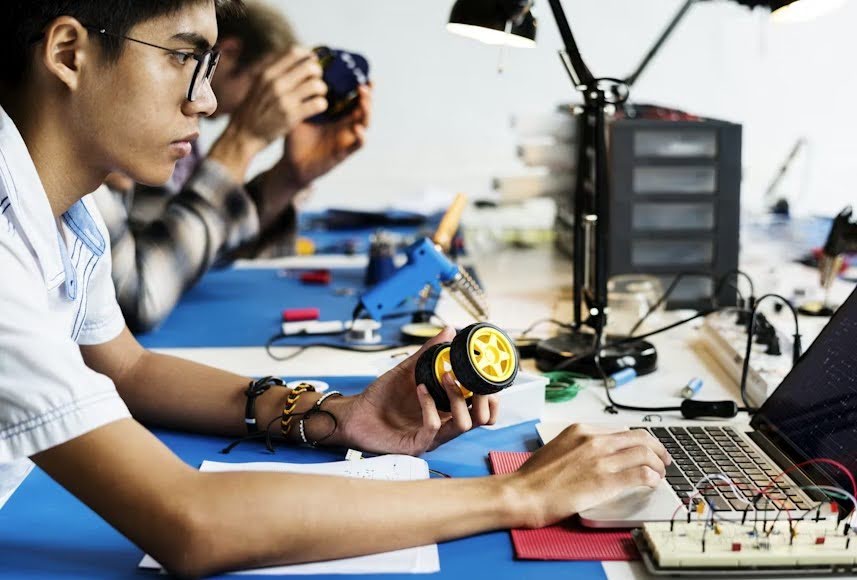
While looks-like prototypes focus on appearance, works-like prototypes are all about validating functionality and performance.
Works-like prototypes demonstrate how your product operates, allowing engineers to test mechanisms, electrical systems, and other technical aspects without concern for aesthetics.
Works-like prototypes are the backstage heroes of product development, ensuring that your brilliant idea actually works in practice before investing in more refined iterations.
Components: Off-the-Shelf vs. Custom Parts
Works-like prototypes typically leverage a mix of off-the-shelf and custom components to achieve functionality while minimizing development time and cost.
Standard electronic components, motors, sensors, and other readily available parts can be quickly integrated to create a functional system without waiting for custom manufacturing. This approach allows teams to validate core functionality rapidly and iterate based on performance data before investing in specialized components.
As the prototype evolves, custom parts may gradually replace off-the-shelf components to address specific performance requirements or size constraints. This progressive refinement process allows developers to balance development speed with performance optimization.
4 Questions Your Works-Like Prototype Must Answer
A work-like prototype should answer four key questions that confirm your product’s viability and help prevent costly redesigns later.
Does the core technology or mechanism function as theorized? This validates your basic concept and technical approach.
Can the product meet performance requirements for speed, accuracy, durability, or other metrics critical to user satisfaction?
What are the power requirements and thermal characteristics during operation, and do they align with product constraints?
Can the functional elements be reasonably manufactured at scale while meeting the target cost parameters?
Works-Like Example: Lonnie Johnson's Super Soaker PVC Prototype
NASA engineer Lonnie Johnson built a working prototype of the Super Soaker in 1982, using Plexiglas, PVC pipe, O-ring seals, and a two-liter soda bottle as the reservoir. The original prototype could fire a compressed-water jet nearly 40 feet, demonstrating the core functionality without concern for aesthetics.
Johnson made the prototype on a small lathe in his home workshop, using whatever parts he could find or make himself. This crude but functional prototype validated the core technology before any investment in refined design or manufacturing. The Super Soaker sold millions of units in its first three years, reportedly generating over $200 million in sales.
Combining Both Approaches: Engineering Prototypes
An engineering prototype integrates looks-like and works-like prototypes, where product development truly comes alive, as aesthetic considerations and functional requirements must work in harmony rather than in isolation.
The engineering prototype represents the first complete vision of your product and serves as the template for pre-production refinement.
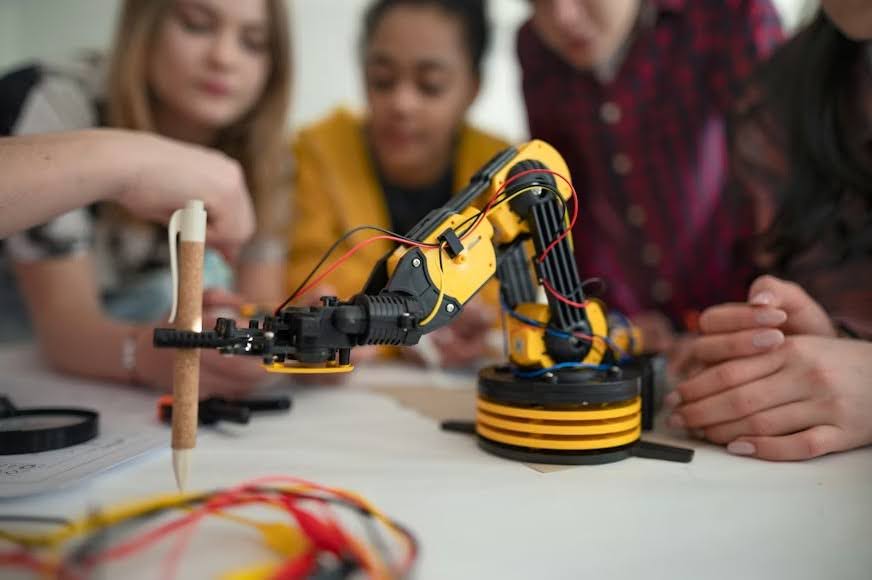
The ultimate goal of separate looks-like and works-like prototyping is to eventually merge these approaches into an engineering prototype that both resembles the final product and functions properly.
When to Merge Looks-Like and Works-Like Models
Timing the integration of your separate prototypes is critical to efficient product development. The ideal moment to merge approaches is when both the looks-like and works-like prototypes have reached sufficient maturity that major changes are unlikely.
For the looks-like prototype, this means the form factor, ergonomics, and aesthetic elements have received positive feedback from stakeholders and potential users. For a works-like prototype, this means the core functionality is reliable, performance metrics meet requirements, and major technical hurdles have been overcome.
Premature integration can lead to inefficiency, as changes to either functionality or appearance require a complete rebuild of the integrated prototype. Conversely, delaying integration too long risks developing solutions that work well independently but prove incompatible when combined.
Integration Challenges & Solutions
When merging looks-like and works-like prototypes, several common challenges typically emerge. Space constraints often become apparent when trying to fit functional components into an aesthetically pleasing housing.
Thermal management issues may arise when heat-generating components are enclosed in materials selected primarily for appearance. Assembly sequence can become problematic when functional elements must be installed in a specific order that conflicts with the structural design.
These challenges require collaborative problem-solving between design and engineering teams, often resulting in compromises that balance form and function. Successful integration depends on clear communication, shared priorities, and a willingness to adapt both aesthetic and functional elements to create a cohesive whole.
How Rabbit Product Design Approaches Looks-Like & Works-Like Prototyping
The looks-like, works-like prototype approach is one of the most effective ways to validate both form and function before committing to production. At Rabbit Product Design, we specialize in engineering prototyping that combines looks-like and works-like prototypes as part of our structured product development process.
But here's what sets us apart: we don't rely on 3D-printed prototypes that look impressive but hide real manufacturing problems. Our prototypes are built using machined parts and production-grade materials, so when it's time to transition from prototype to production, there are no surprises.

Our end-to-end process covers feasibility, concept development, industrial design, engineering, production-ready prototyping, manufacturing setup, branding, and launch planning.
Senior-level engineers with an average of 27 years of experience manage every project, ensuring your looks-like models accurately represent what can be manufactured, and your works-like prototypes validate real-world performance. Whether you're a first-time inventor or scaling an existing product line, we take you from concept through production and into the market, all under one roof, with no vendor juggling.
Start Your Product Journey Today→
Frequently Asked Questions (FAQs)
What is a looks-like, works-like prototype?
A looks-like prototype captures your product's visual design, dimensions, and ergonomics without functional elements. A works-like prototype demonstrates core functionality without concern for aesthetics. Together, they allow teams to refine form and function independently before merging into a complete engineering prototype.
How many prototype iterations should I plan for?
Most products require 3–5 iterations each for looks-like and works-like prototypes, followed by 2–3 engineering prototype iterations after integration. That's roughly 8–13 total iterations across the full development process, though complex products may need more.
When should I combine looks-like and works-like prototypes?
Merge them only when both have reached sufficient maturity, meaning the form factor has positive stakeholder feedback and core functionality reliably meets performance requirements. Premature integration wastes time and money on rebuilds when either side still needs major changes.
Should I patent my invention before creating prototypes?
Focus your budget on building the product first. Prototyping often reveals new features or design changes that make early patent filings outdated or incomplete, and patents alone rarely lead to commercial success without a real product and business behind them. If you want to establish a priority date before widely sharing your prototype, a provisional patent application can do so at relatively low cost, but it should not take precedence over developing and validating your product.
How does Rabbit Product Design handle looks-like and works-like prototyping?
Rabbit Product Design builds both prototype types using machined parts and production-grade materials, not 3D prints. Our senior engineers with 27+ years of experience manage every project through a structured process covering feasibility, design, engineering, prototyping, manufacturing, branding, and launch, ensuring prototypes reflect real manufacturing constraints from the start.
*Disclaimer: This content is for educational purposes only and not financial, legal, or business advice. Figures vary by circumstance. Consult qualified professionals before making decisions. For personalized guidance,contact Rabbit Product Design.