
Cost to Patent a Product: Estimates, Examples & Is It Worth It
Key Takeaways
Patenting a product typically costs $15,000–$25,000+ for attorney-prepared applications.
The complexity of your invention, the technology field, and whether you hire professional help are the primary factors that determine your total patent expense.
Before investing in a patent, carefully assess your product's market potential, competitive landscape, and enforcement capabilities to ensure a positive return on investment.
At Rabbit Product Design, we recommend focusing your budget on building, prototyping, and launching your product rather than defaulting to patent filing, because a patent without a real product and business behind it rarely leads to commercial success.
The True Cost of Patenting Your Product
Patenting isn't just a one-time expense; it's a multi-year financial commitment. While the United States Patent and Trademark Office (USPTO) filing fees might seem reasonable at first glance, they typically represent less than 10% of the total expense involved in securing and maintaining a patent.
Patent Costs Vary Widely ($15,000–$25,000+)
The cost to patent a product varies dramatically based on your innovation and its complexity. For a full product patent application, also known as a utility patent, a lawyer can charge you between $9,000–$11,000 for simple mechanical inventions.
However, for complex inventions such as technological software or biotechnology, patent applications typically range from $10,000 to $17,000+, with some reaching $25,000+.
This wide range reflects the different paths available to inventors and the varying complexity of innovations.
Factors That Determine Your Total Patent Expense
Several key factors influence how much you'll pay to patent your product:
Technology complexity - Software, electronics, and biotechnology patents typically cost more than simple mechanical inventions
Patent type - Utility patents (function) cost more than design patents (appearance)
Application approach - Using a provisional application first adds a step, but it may save money long-term
Entity size - The USPTO offers significant fee discounts for small and micro entities (up to 80% off)
Professional assistance - Attorney fees typically constitute 70–80% of total patent costs
Geographic coverage - Each country requires separate filings and fees
Search thoroughness - Comprehensive patentability searches cost more upfront, but prevent wasted application expenses
The most significant cost driver is usually the complexity of your invention. Complex technologies require more detailed disclosure, more extensive claims, and typically face more rigorous examination.
Patent Types & Their Costs
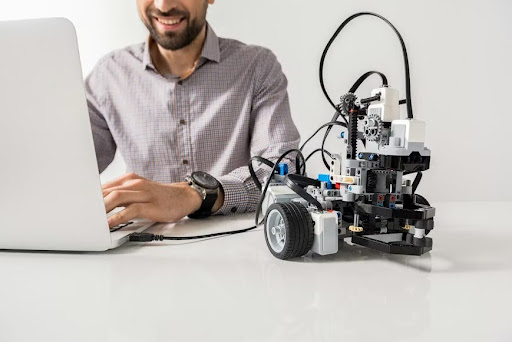
Understanding the specific costs associated with different types of patents gives you a clearer picture of what you might expect to pay.
Utility Patent (Non-Provisional Patent)
Utility patents protect the way a product works or is used and represent the most common type of patent. A complete utility patent application includes detailed specifications, claims defining your invention's scope, and professional drawings.
The total cost for utility patents typically ranges from $15,000 to $25,000+. This includes patentability searches, attorney preparation fees, USPTO filing fees, professional drawings, and office action responses.
Provisional Patent Application
A provisional patent application (PPA) serves as a placeholder that establishes your filing date while giving you 12 months to develop your invention further.
The official USPTO filing fee is just $65 for a micro entity or $130 for a small entity. However, this is only a fraction of the true cost.
When professionally prepared, a provisional application can cost significantly more due to agent or attorney fees. While you could file a DIY provisional for under $200 (including basic filing fees), many experts advise against this approach.
A poorly drafted provisional may not adequately support your subsequent non-provisional application, potentially resulting in lost priority dates or diminished claim scope. The risk often outweighs the upfront savings.
Design Patent
Design patents protect the ornamental appearance of a product rather than its functionality. They're typically less expensive than utility patents because they contain fewer written components and are usually subject to less rigorous examination.
For a small entity, USPTO filing fees are approximately $520. Excluding attorney fees, design patent applications generally cost around $2,000, making this type of protection more accessible to budget-conscious inventors.
Examples of Innovations & Patent Costs
Computer-Implemented Method for Facilitating Functionality via the Internet
Consider a software invention that enables users to perform specific functions through an internet-based platform. For this type of invention, you would typically begin with a comprehensive patent search and attorney opinion, which would cost between $2,500 and $3,000. Given the complexity of software inventions, a provisional patent application would cost approximately $6,000, plus the USPTO filing fee of $130 for a small entity.
When it comes time to file the nonprovisional application (utility patent) based on your provisional, attorney fees would range from $10,000 to $12,000, reflecting the extensive technical detail required for software patents. The USPTO filing fee for the nonprovisional would add another $800 to $1,250, and professional illustrations would cost around $500.
After filing, you should budget $5,000 to $7,500 for responding to office actions during prosecution, plus a $600 USPTO issue fee when your patent is granted. The total cost through issuance for a software-related invention typically runs between $19,000 to $23,000 (if a provisional patent application is skipped).
Consumer Electronics Product
For a consumer electronics product, such as a smartphone accessory or home automation device, the patent process would begin with a patent search and an attorney's opinion, costing approximately $1,750. A provisional patent application for this moderately complex invention would cost around $2,500, plus the $130 USPTO filing fee for small entities.
The nonprovisional application based on your provisional would cost approximately $8,500 in attorney fees, plus $800 in USPTO filing fees for small entities. Professional illustrations documenting the electronic and mechanical components would add another $400.
Post-filing prosecution and responses to office actions typically cost between $5,000 and $7,000 for consumer electronics, with the USPTO issue fee of $600 bringing the total cost through issuance to approximately $19,000 to $21,000.
Consumer electronics typically fall into the "moderately complex" category, requiring detailed disclosure of electrical systems, user interfaces, and mechanical components, though generally less extensive than for pure software inventions.
Is Patenting Your Product Worth It?

Given the substantial investment required, it's reasonable to question whether patenting makes financial sense for your specific situation.
When a Patent Makes Financial Sense
Patents typically offer the best return on investment when your product has significant commercial potential, faces a real threat of copying, and operates in a market where enforcement is practical.
Industry matters too; patents are particularly valuable in pharmaceuticals, biotech, medical devices, and certain consumer products where copying is easy but development is expensive.
That said, even in these industries, a patent alone is rarely enough. A real product and a functioning business behind it remain critical to any commercial outcome; protection on paper doesn't generate revenue on its own
When to Skip the Patent Process
Not every invention warrants patent protection. Products with short market lifecycles, minimal risk of copying, or limited commercial potential may not justify the expense.
If your product is likely to become obsolete before a patent issues (typically 2–3 years), the protection may come too late to matter. Similarly, if you lack the resources to monitor the market and enforce your patent against infringers, the protection becomes largely theoretical.
Patent litigation typically costs $500,000 to several million dollars, making enforcement impractical for many small businesses. In such cases, alternative protection strategies may offer better value.
Alternatives to Patents
If a patent doesn't make financial sense for your situation, several alternative protection strategies exist. Trade secrets can effectively protect processes, formulas, or methods that aren't readily discoverable through reverse engineering.
Unlike patents, trade secrets have no expiration date as long as secrecy is maintained. Companies like Coca-Cola have successfully relied on trade secret protection for their formulas for over a century.
Other options include trademarks (protecting your brand), copyrights (protecting creative works), and a strategic head start (being first to market with continuous innovation).
A first-mover advantage combined with strong branding and customer loyalty can sometimes provide more practical protection than patents, especially for products with short lifecycles or in markets where enforcement is difficult. At Rabbit Product Design, we help inventors evaluate these trade-offs and focus their resources on what actually drives commercial success: building, manufacturing, and getting a real product to market.
Understanding Patent Costs & How Rabbit Product Design Can Help You
At Rabbit Product Design, we take a different approach to patenting innovations. Rather than defaulting to expensive patent filings, we focus on what actually makes products profitable: building, manufacturing, and getting them to market.

If you're sitting on a great idea and wondering whether to spend thousands on a patent attorney, talk to us first. We'll help you invest where it actually counts.
Our structured product development process covers feasibility, concept development, industrial design, engineering, production-ready prototyping, manufacturing setup, branding, and launch planning. Every step is designed around manufacturability and real-world commercialization, not paper protection.
We support patent research when it makes strategic sense, but we'll never tell you a patent is the goal. The goal is to launch a product that generates revenue.
Start Your Product Journey Today
Frequently Asked Questions (FAQs)
How much does it cost to patent a product from start to finish?
The total cost to patent a product typically ranges from $15,000 to $25,000+ for a utility patent when using professional help. This includes patentability searches, attorney preparation fees, USPTO filing fees, professional drawings, and office action responses.
What is the cheapest way to patent a product?
The most affordable route is filing a provisional patent application as a micro entity, which costs as little as $65 in USPTO fees. This gives you 12 months of "patent pending" status while you validate your product's market potential. Before investing even in a provisional application, however, it's worth evaluating whether a patent is the right use of your budget at this stage.
Are there ongoing costs after a patent is granted?
Yes. Utility patents require three maintenance fee payments at 3.5, 7.5, and 11.5 years after issuance. You should also budget for potential enforcement costs, as sending cease-and-desist letters runs $1,000–$3,000, and full litigation can cost hundreds of thousands to millions of dollars.
How does Rabbit Product Design help inventors who are considering a patent?
At Rabbit Product Design, we support patent research when it's strategically warranted, but we do not treat patents as the default path.
Instead, we focus on what drives real commercial success: a structured development process covering feasibility, concept development, industrial design, engineering, production-ready prototyping, manufacturing setup, branding, and launch planning.
We prioritize getting a real, manufacturable product to market rather than spending your budget on patent protection that may never generate a return.
*Disclaimer: This content is for educational purposes only and not financial, legal, or business advice. Figures vary by circumstance. Consult qualified professionals before making decisions. For personalized guidance, contact Rabbit Product Design.